demand dynamics. Recent assessments by market analysts suggest that major categories such as grains, oilseeds, and livestock are gradually returning to more predictable trading patterns, offering some relief to producers, consumers, and governments alike.
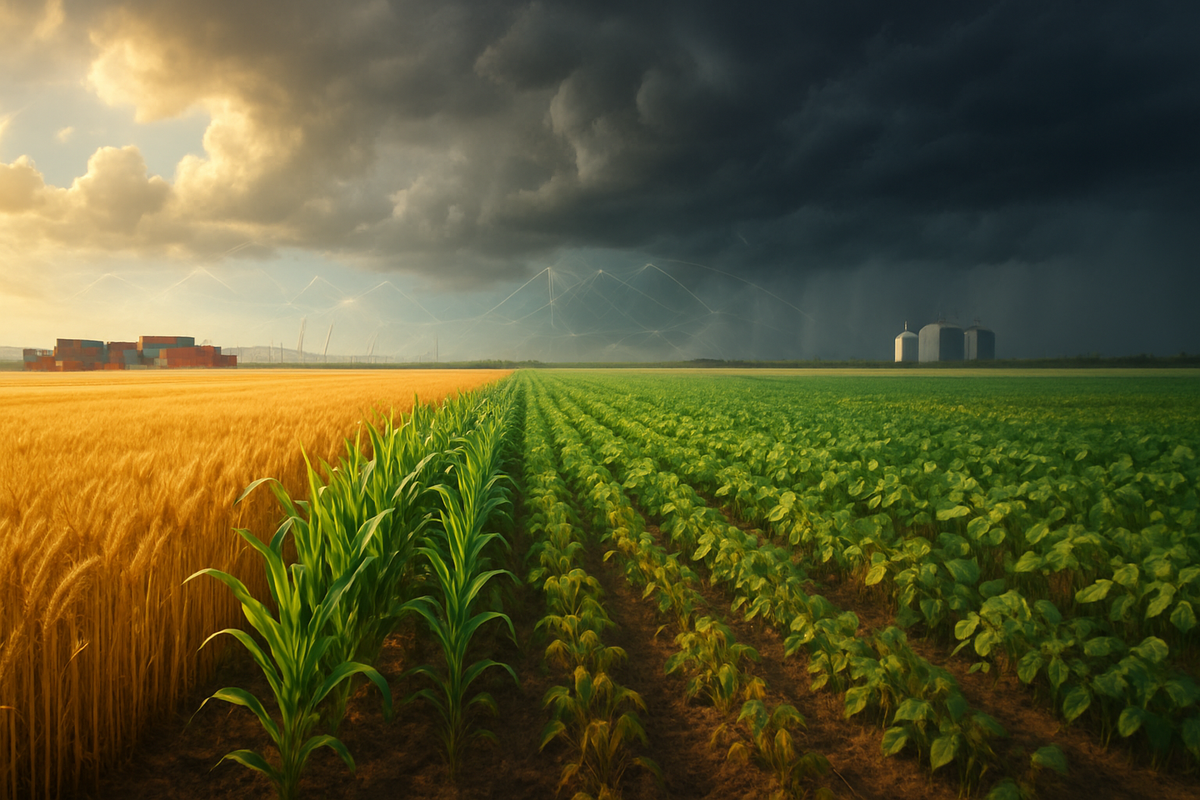
Over the past year, the global farm economy has experienced significant turbulence. Extreme weather events in key producing regions—including droughts in South America, excessive rains in parts of Asia, and unpredictable temperature shifts in North America—had disrupted supply chains and contributed to price surges. Additionally, geopolitical tensions and logistical constraints in major export corridors had further amplified market instability, pushing many commodity prices to multi-year highs.
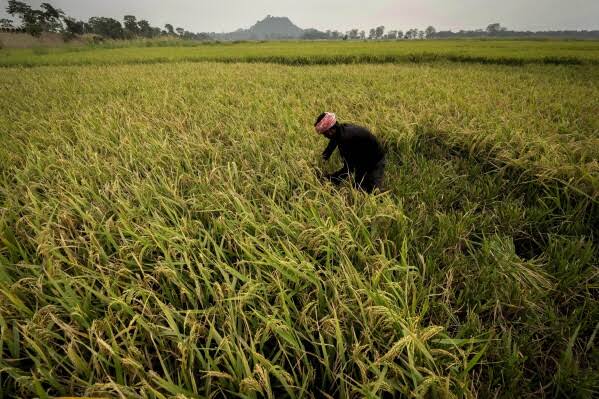
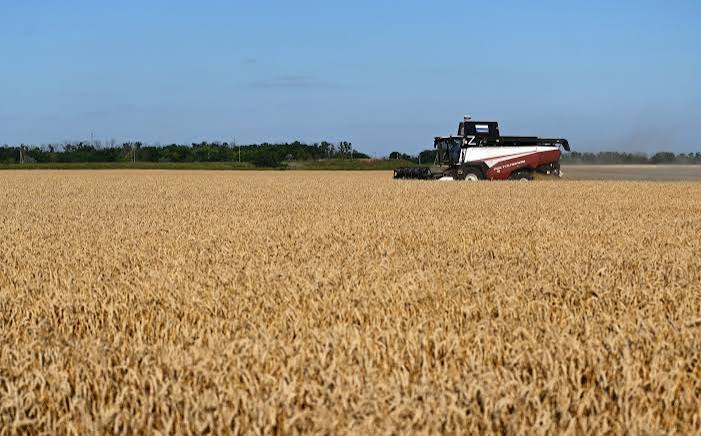
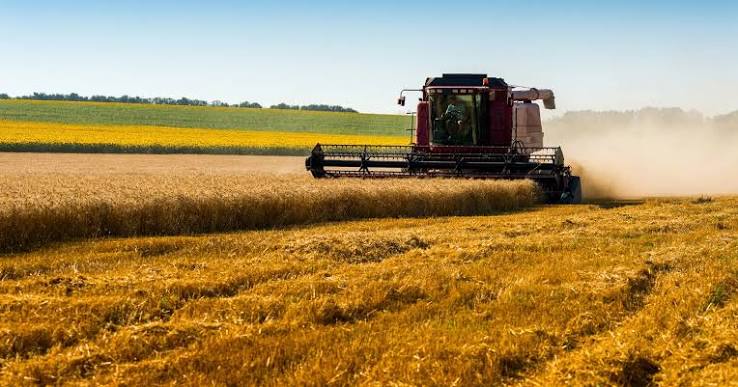
However, the latest data indicates that production prospects are improving in several major exporting nations, helping ease pressure on international markets. For grains such as wheat, maize, and rice, favourable harvest outlooks in countries like the United States, Brazil, and India have contributed to a more balanced supply scenario. Traders report a noticeable reduction in speculative activity, which had been a major driver of price volatility earlier in the year.
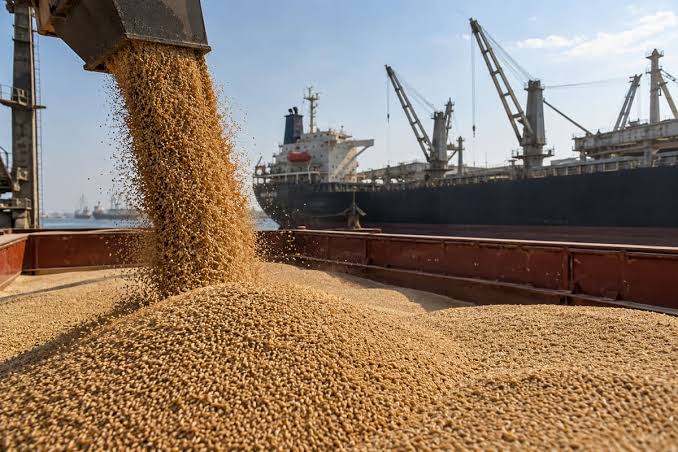
Similarly, the oilseed market—particularly soybeans and rapeseed—has shown signs of cooling after a period marked by tight stocks and rising global demand. Improved yields from South American producers and stable demand from major importers like China have helped smooth out price movements. The gradual normalization of shipping routes has also played a role in stabilizing the market.
In the livestock sector, prices are beginning to level off as feed costs decline and disease-related disruptions ease in some regions. Although challenges remain—especially in markets recovering from outbreaks of diseases such as African Swine Fever—improved availability of feed grains has supported more predictable pricing for pork, poultry, and beef.
Analysts caution that while current trends are positive, the global agricultural market remains sensitive to climate risks, geopolitical developments, and potential trade policy shifts. Any sudden disruptions—such as unexpected weather events or new export restrictions—could reintroduce volatility.
Even so, the overall sentiment is more optimistic than in recent months. The stabilization of global agricultural markets is expected to benefit both exporting and importing countries by supporting smoother trade flows, more consistent farm incomes, and improved food price stability for consumers worldwide.


 By
By