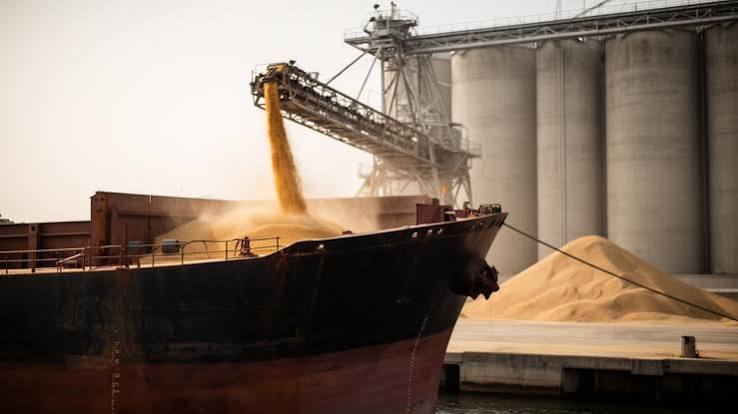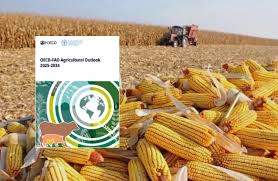
Global agricultural production is projected to increase significantly over the next decade, with the OECD-FAO Agricultural Outlook 2025–2034 forecasting an overall rise of around 14% by 2034. The report highlights strong growth in livestock and aquaculture as the primary drivers of global food production, supported by expanding demand, improved farming technologies, and increasing investments in developing economies.
According to the Outlook, much of the anticipated growth will come from middle-income countries across Asia, Latin America, and Sub-Saharan Africa, where agricultural systems are rapidly evolving. Rising populations, urbanization, and expanding middle-class incomes in these regions are pushing demand for protein-rich foods, particularly meat, dairy, and fish. This shift is expected to accelerate the expansion of livestock and aquaculture sectors, both of which are projected to outpace growth in crop production over the coming decade.
In Asia, countries such as India, Indonesia, Vietnam, and China are expected to play a crucial role in the global production increase. The region’s focus on modernizing agriculture—through mechanization, improved breeding, digital tools, and climate-smart practices—is helping boost yields and enhance sustainability. Aquaculture, in particular, is set to see strong gains, reinforcing Asia’s position as the world’s leading supplier of farmed fish.
Latin America is projected to remain a powerhouse in global food supply, driven by its strong export orientation. Nations like Brazil and Argentina are expected to continue expanding production of beef, poultry, soybeans, and maize. Investments in irrigation, better pasture management, and advanced genetics will support the region’s rising output while helping producers adapt to climate challenges.
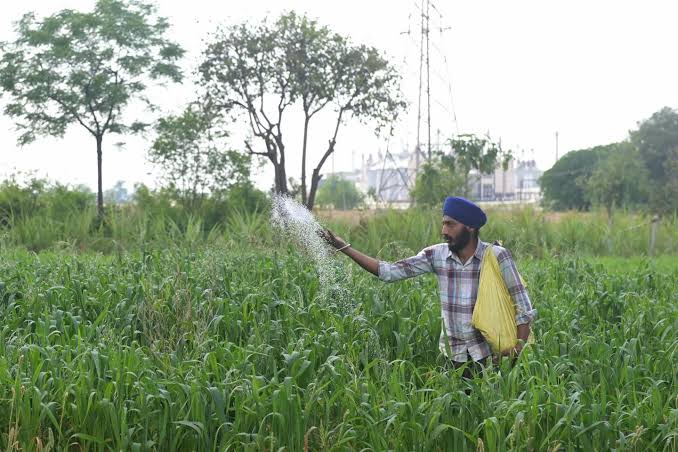
Sub-Saharan Africa is also forecast to make meaningful contributions to global growth, supported by improvements in farm productivity, expanded use of fertilizers and improved seeds, and government initiatives aimed at strengthening food security. While the region still faces structural challenges—such as limited infrastructure and vulnerability to climate shocks—ongoing reforms and investment flows are expected to unlock steady production gains.
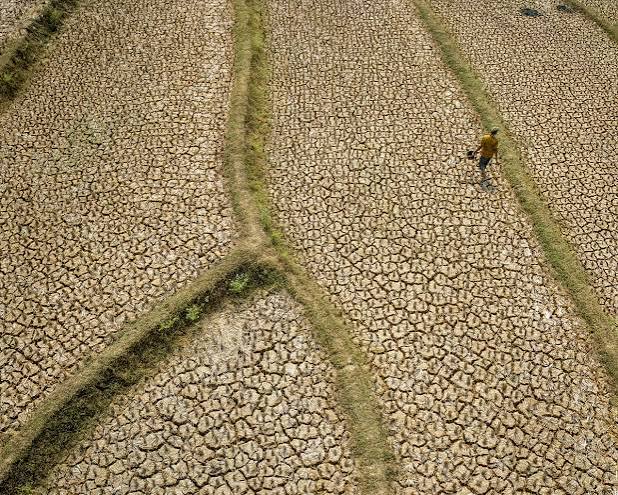
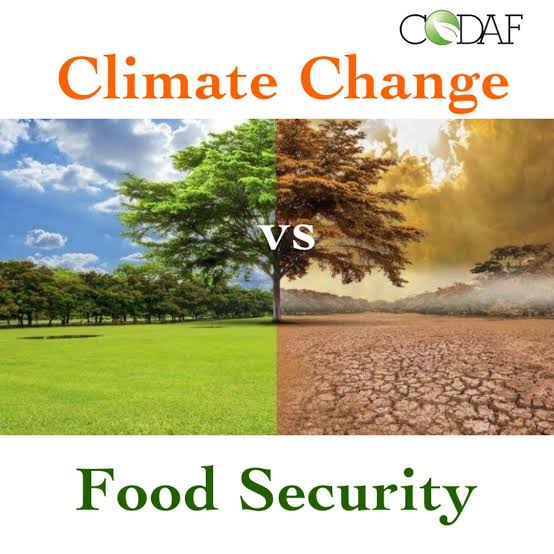
The OECD-FAO Outlook emphasizes that continued progress will depend on how effectively countries address climate risks, resource constraints, and sustainability concerns. As weather patterns become more unpredictable and natural resources increasingly strained, the report underscores the importance of climate-resilient practices, efficient water use, and innovations that reduce greenhouse gas emissions.
Overall, the projected 14% growth over the next decade reflects a cautiously optimistic view of global agriculture—one driven by expanding demand, evolving technologies, and the growing role of developing economies in shaping the world’s food supply.

 By
By