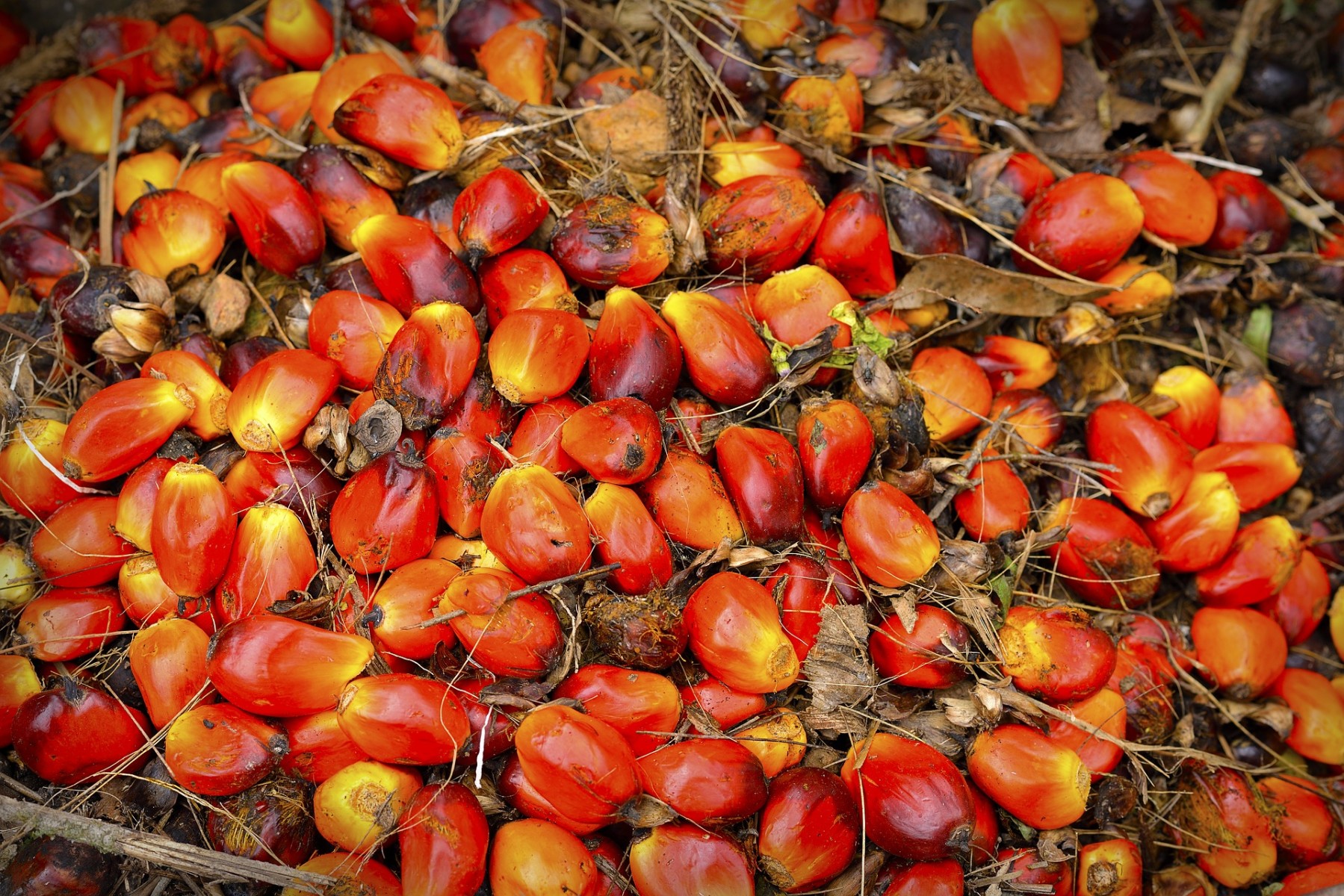
Indonesia’s agricultural scientists have introduced a new drought-resilient oil palm seed variety designed to maintain strong yields even under prolonged water stress. The breakthrough is being hailed as a major step forward for the country’s palm oil sector, which faces increasing challenges from climate change, erratic rainfall, and rising temperatures.
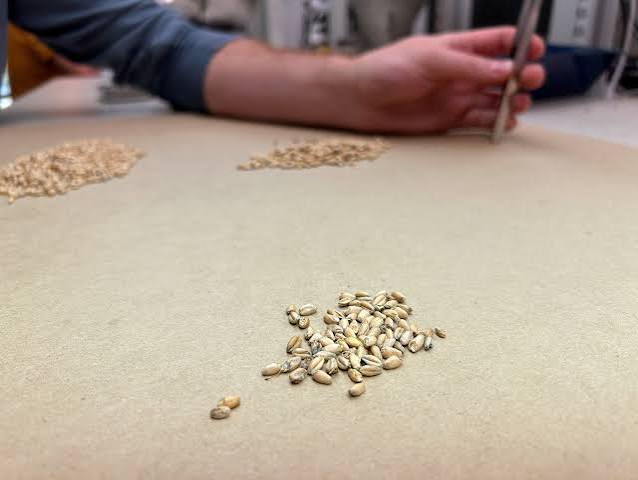
According to researchers involved in the project, the new seed variety was developed after several years of field trials and genetic evaluation. Its improved root structure, enhanced water-use efficiency, and ability to withstand extended dry periods allow the plants to remain productive when traditional oil palm varieties experience significant yield declines. This resilience is expected to help stabilize output in regions where drought conditions are becoming more frequent.
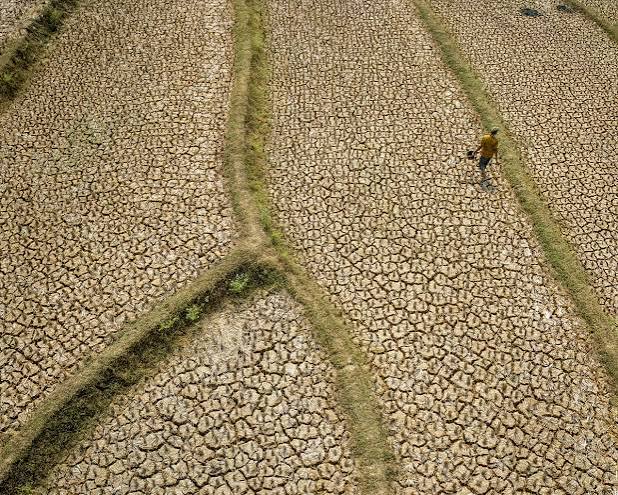
Indonesia, the world’s largest producer of palm oil, has seen climate-driven weather shifts affect plantation productivity in recent years. Dry spells have disrupted fruit development, reduced oil extraction rates, and increased vulnerability to pests. Experts say that a seed variety capable of enduring harsher conditions could help secure the long-term sustainability of the industry and protect millions of livelihoods linked to palm oil production.
The researchers highlighted that the new variety does not require major changes in farm management practices, making it easier for smallholders to adopt. Early performance data from trial plantations indicates higher fresh fruit bunch (FFB) yields compared to conventional varieties during drought episodes, along with improved plant vigor and survival rates.
Industry stakeholders view the development as an important innovation for climate adaptation. With global demand for vegetable oils rising and environmental pressures mounting, maintaining stable production is critical. The drought-resilient seed could help reduce the impact of climate variability and support Indonesia’s strategy to modernize its palm oil sector while promoting more sustainable practices.
Officials also believe that this advancement may open opportunities for further research in climate-smart agriculture, including breeding programs for flood tolerance, disease resistance, and improved carbon efficiency.
As the new seed variety moves toward commercial release, both large plantations and smallholder farmers are expected to benefit from a more reliable production base. The innovation marks a significant step in Indonesia’s efforts to future-proof its agriculture sector against ongoing and intensifying climate challenges.


 By
By