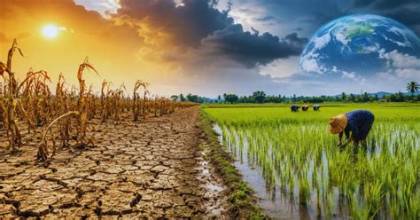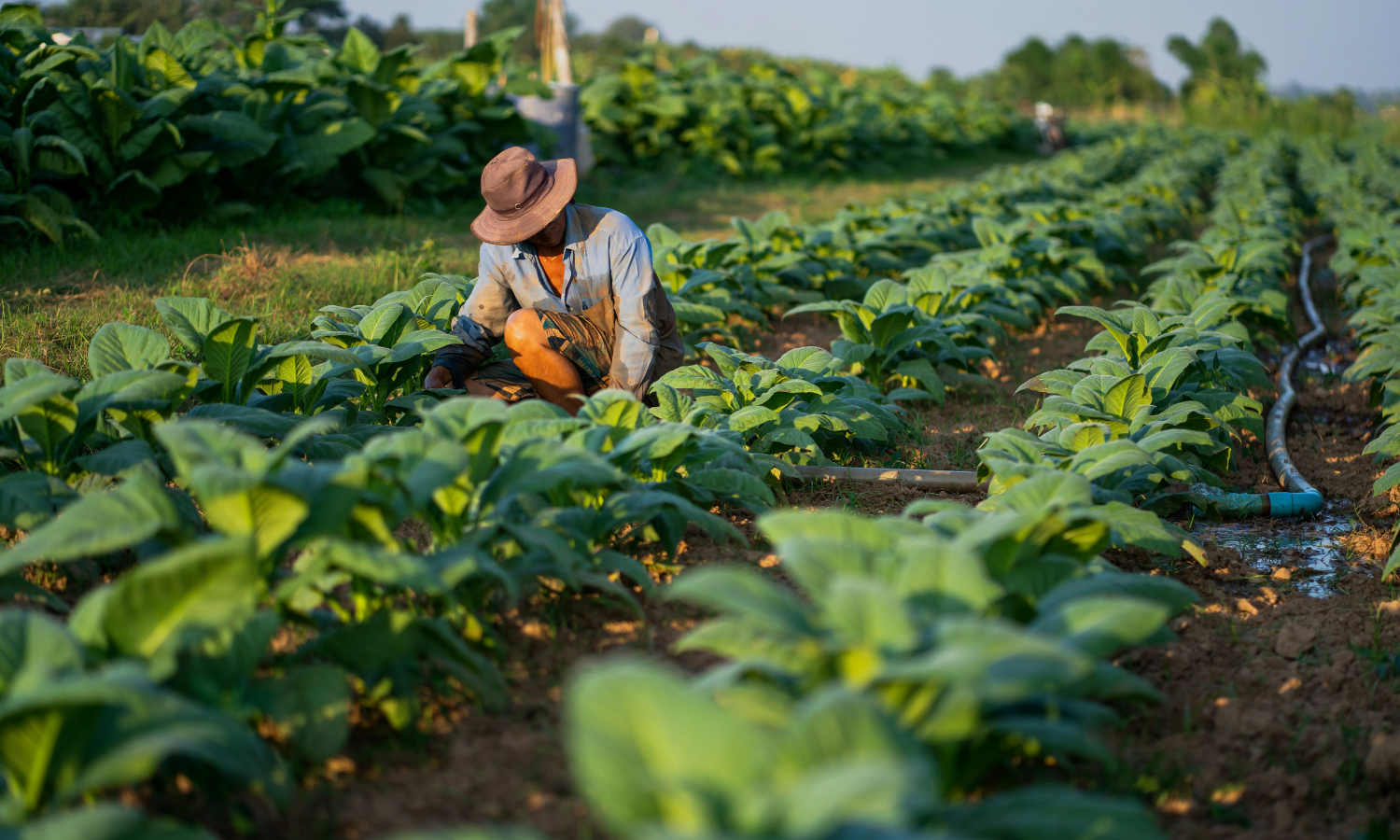
Recent research indicates that rising global temperatures are intensifying the spread and impact of crop pests, posing heightened risks to staple crops such as wheat, rice, and maize. Warmer climates are enabling pests and pathogens to expand their geographic range, reproduce faster, and survive in regions that were previously less vulnerable.
Currently, pests and diseases destroy approximately 40 percent of global crops each year, threatening food security and the livelihoods of millions of farmers worldwide. Scientists warn that climate change could exacerbate these losses unless proactive measures are taken to enhance agricultural resilience.
Experts emphasize the importance of diversified cropping systems, integrated pest management, and innovative control strategies to mitigate the rising threats. Approaches such as crop rotation, resistant crop varieties, precision agriculture, and biologically based pest control are critical tools to reduce vulnerability and maintain sustainable yields.
The findings underscore that climate adaptation in agriculture must account for evolving pest dynamics alongside other climate-related stresses, including droughts, floods, and heatwaves. Policymakers, researchers, and farmers are urged to collaborate on strategies that balance productivity with ecological sustainability, ensuring that food systems can withstand the combined pressures of climate change and pest proliferation.
Without urgent and coordinated action, the growing intensity and spread of crop pests could significantly compromise global food security, making resilient, climate-smart agriculture a top priority for the coming decades.

 By
By