

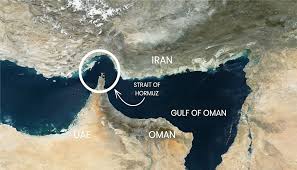
Growing geopolitical tensions in the Middle East are raising fresh concerns about the stability of global fertilizer supplies, with industry leaders warning that disruptions to major shipping routes could have far-reaching consequences for agriculture and food security. Any prolonged interruption in the movement of fertilizers and raw materials through strategically important maritime corridors may increase input costs for farmers and place additional pressure on global food prices.
The fertilizer industry relies heavily on efficient international trade networks to transport products such as urea, ammonia, potash, phosphate fertilizers, and other essential nutrients. Many of these materials are shipped through key waterways connecting producers in the Middle East and surrounding regions with agricultural markets across Asia, Europe, Africa, and the Americas. If shipping delays or logistical bottlenecks occur, supply chains could tighten and create shortages in several importing countries.
Experts note that fertilizer availability is a critical factor in maintaining crop productivity. Farmers depend on timely deliveries before planting seasons, and even short-term disruptions can affect application schedules and reduce yields. Increased freight costs, insurance premiums, or shipping delays may also be passed on to buyers, making fertilizers more expensive for producers already dealing with rising operational costs.
Countries that rely heavily on fertilizer imports could face the greatest challenges. Higher prices may force some farmers to reduce fertilizer use or switch to lower application rates, potentially impacting the production of staple crops such as wheat, maize, rice, and oilseeds. Lower yields could tighten food supplies and contribute to upward pressure on agricultural commodity prices in global markets.
Agricultural economists believe that fertilizer market volatility often has a ripple effect throughout the food production system. Rising input costs can increase the cost of cultivating crops, which may eventually be reflected in higher prices for consumers. Livestock producers may also experience indirect impacts if feed grain production becomes more expensive due to elevated fertilizer costs.
Industry representatives have encouraged governments and businesses to strengthen supply chain resilience by diversifying sourcing options, improving storage infrastructure, and enhancing logistical planning. Building strategic reserves and encouraging regional cooperation could help reduce vulnerability to unexpected disruptions in international trade.
The current situation also highlights the growing importance of efficient nutrient management and precision agriculture. Many experts advocate technologies that enable farmers to optimize fertilizer application, reducing waste while maintaining productivity. Practices such as soil testing, variable-rate application, and integrated nutrient management can improve fertilizer efficiency and partially offset the impact of rising prices.
In recent years, several countries have invested in expanding domestic fertilizer production capacity to reduce dependence on imports. Continued investment in manufacturing, research, and innovation could help create more stable supplies and support long-term agricultural sustainability.
While global fertilizer markets remain operational, stakeholders are closely monitoring developments in the Middle East and their potential impact on shipping and trade. Any significant escalation affecting transportation routes could influence availability, costs, and market sentiment in the months ahead.
For farmers, policymakers, and agribusinesses, the evolving situation underscores the importance of preparedness and proactive planning. Ensuring reliable access to fertilizers will remain essential for protecting crop yields, supporting rural livelihoods, and maintaining stable food supplies in an increasingly interconnected global agricultural economy.


 By
By











