

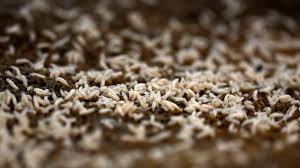
U.S. authorities have confirmed additional cases of New World screwworm, a destructive livestock pest that poses a serious threat to animal health and the agricultural economy. The latest detections have prompted federal and state agencies to strengthen surveillance, expand monitoring programs, and invest in control measures aimed at preventing the pest from spreading and safeguarding the nation’s cattle industry.
The New World screwworm is the larval stage of a parasitic fly whose larvae feed on the living tissue of warm-blooded animals. Unlike many other fly species that infest dead tissue, screwworm larvae burrow into healthy flesh, causing painful wounds, severe infections, and, if left untreated, potentially fatal injuries. Cattle are among the most vulnerable animals, although sheep, goats, horses, wildlife, pets, and even humans can occasionally be affected.
Livestock producers and veterinary officials are treating the new cases with urgency because an outbreak could have significant economic consequences. Infected animals often require intensive treatment and may experience reduced weight gain, lower productivity, and reproductive problems. Large-scale infestations can lead to substantial financial losses for ranchers and disrupt domestic and international livestock trade.
Government agencies have responded by increasing inspections of livestock movements, expanding field surveillance, and encouraging veterinarians and farmers to report suspicious wounds or unusual infestations immediately. Early detection is considered one of the most effective ways to contain the pest before it becomes established in new areas.
Control efforts also include investments in scientific and biological methods that have proven successful in the past. One of the most widely recognized approaches is the release of sterile male flies into affected regions. When these sterile insects mate with wild females, no viable offspring are produced, gradually reducing the pest population over time. This technique played a major role in eliminating the New World screwworm from much of North and Central America during previous eradication campaigns.
Animal health experts emphasize that biosecurity measures on farms remain essential. Regular inspection of livestock, prompt treatment of wounds, proper sanitation, and effective fly control programs can significantly reduce the risk of infestation. Producers are also advised to isolate affected animals and seek veterinary assistance if unusual lesions or maggot infestations are observed.
The renewed focus on screwworm surveillance comes as livestock industries worldwide face growing challenges from transboundary animal diseases and invasive pests. Climate conditions, animal movement, and international trade can all influence the spread of such threats, making regional cooperation and rapid response capabilities increasingly important.
Beyond cattle production, the presence of screwworm could affect wildlife conservation, animal welfare, and rural economies. For this reason, authorities are working closely with agricultural organizations, veterinary services, and research institutions to strengthen preparedness and improve diagnostic capabilities.
Industry groups have welcomed the government’s proactive measures, noting that maintaining a healthy livestock population is critical for food production, export competitiveness, and producer confidence. Continued investment in surveillance systems, laboratory testing, and public awareness campaigns is expected to play a key role in preventing wider outbreaks.
While officials stress that the situation remains under close monitoring, they also emphasize that timely reporting and coordinated action are essential to limiting the pest’s impact. Farmers, ranchers, and veterinarians are encouraged to remain vigilant and follow recommended animal health practices to help protect the U.S. livestock sector from further spread of the New World screwworm.


 By
By











