

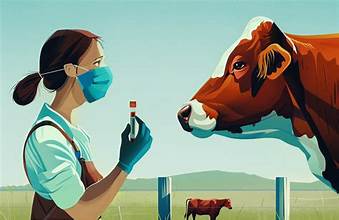
A new United Nations-backed report has raised concerns that antibiotic use in livestock production could increase significantly by 2040 unless governments and industry stakeholders adopt stronger regulations and responsible management practices. The report warns that unchecked growth in antibiotic consumption may accelerate antimicrobial resistance (AMR), posing serious risks to both animal and human health.
As demand for meat, dairy, and other animal products continues to rise worldwide, many livestock systems rely on antibiotics to prevent and treat diseases and, in some cases, to support productivity. Experts caution that excessive or inappropriate use of these medicines can encourage the development of drug-resistant bacteria, reducing the effectiveness of treatments and making infections harder to control.
The report highlights the need for improved veterinary oversight, stricter monitoring of antibiotic use, and greater investment in disease prevention measures such as better farm hygiene, vaccination programs, and biosecurity practices. These approaches can help reduce reliance on antibiotics while maintaining healthy and productive livestock systems.
Sustainable livestock production is also a key focus of the findings. Researchers emphasize that responsible antibiotic stewardship, combined with advances in animal nutrition and management, can protect farm productivity without increasing the risk of antimicrobial resistance. They also encourage governments to strengthen surveillance systems and promote awareness among farmers about the long-term consequences of antibiotic misuse.
The warning comes as global health organizations continue to identify antimicrobial resistance as one of the major challenges facing agriculture and public health. Without coordinated action, rising antibiotic use in animal farming could undermine food security, increase production costs, and threaten the sustainability of livestock industries worldwide.
The report calls for international cooperation to encourage prudent antibiotic use and support farming practices that safeguard animal welfare, public health, and the future resilience of global food systems.


 By
By











