

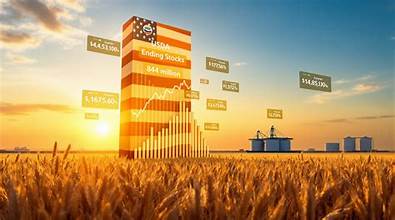
Global wheat supplies are projected to become tighter during the 2026–27 marketing season as production declines in several major exporting countries compared with last year’s record harvest. While overall output is still expected to remain at historically high levels, reduced availability from key producers could support firmer international wheat prices and reshape global trade flows.
Agricultural forecasts suggest that lower harvests in some leading exporting nations may narrow exportable surpluses, limiting supplies available to importing countries. Weather-related challenges, changing planting conditions, and production adjustments have all contributed to expectations of a smaller crop than the exceptional levels recorded in the previous season.
Despite the anticipated decline, global wheat production is still forecast to remain robust by historical standards, reflecting continued cultivation across major growing regions and ongoing improvements in farming practices and crop management. However, analysts caution that even modest reductions in output can influence market sentiment when global demand remains strong.
The prospect of tighter supplies has increased attention on international grain markets, where buyers and exporters are closely monitoring harvest progress and stock levels. If demand continues to outpace supply growth, wheat prices could remain firm, affecting food manufacturers, livestock producers, and countries dependent on imported grain.
Market experts also note that weather developments during the growing season will be critical in determining final production outcomes. Unexpected droughts, excessive rainfall, or heat stress in key producing regions could further influence yields and increase price volatility.
Governments and agricultural organizations are encouraging investment in climate-resilient farming practices, improved seed varieties, and efficient supply chains to strengthen long-term wheat production and reduce vulnerability to weather-related disruptions. As the 2026–27 season progresses, global markets will continue to watch crop conditions and export trends closely to assess the balance between supply and demand.


 By
By











