

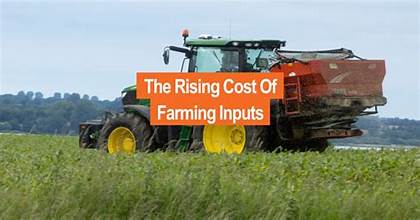
International agencies are warning that persistently high costs for fertilizers, fuel, and transportation could place growing pressure on global food security in the coming season, particularly in countries that rely heavily on imported food and agricultural inputs.
Rising production expenses are making it more difficult for farmers to maintain profitability and invest in essential resources needed for crop cultivation. Higher fertilizer prices may lead some producers to reduce application rates, potentially affecting crop yields and overall farm productivity. At the same time, elevated fuel costs are increasing the expense of field operations, irrigation, harvesting, and the transportation of agricultural goods.
The impact is expected to be especially significant in developing and food-importing nations, where higher import bills and supply chain costs can translate into increased food prices for consumers. Governments may also face additional fiscal pressure as they seek to support farmers and ensure stable food supplies through subsidies or emergency measures.
Agricultural economists caution that continued cost inflation could discourage investment in farming, delay planting decisions, and reduce the competitiveness of producers in international markets. Smallholder farmers, who often operate with limited financial resources, are considered particularly vulnerable to these challenges.
International organizations are encouraging policymakers to strengthen agricultural resilience by improving access to affordable inputs, promoting efficient fertilizer use, supporting renewable energy solutions, and investing in modern farming technologies. Enhancing logistics infrastructure and reducing supply chain bottlenecks could also help ease cost pressures and improve market stability.
While global agricultural production remains resilient in many regions, experts emphasize that sustained increases in input costs could undermine future harvests and exacerbate food insecurity if left unaddressed. Coordinated efforts among governments, industry stakeholders, and international institutions will be essential to safeguard food supplies and support sustainable agricultural growth.


 By
By











