

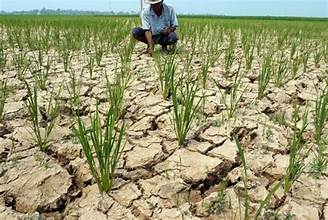
Farmers across Asia are grappling with increasingly challenging growing conditions as prolonged heat and below-average rainfall threaten the production of key agricultural commodities, including rice, wheat, and palm oil. The persistent dry weather has raised concerns about regional food security, export supplies, and the economic stability of farming communities.
Agricultural regions in several countries are experiencing reduced soil moisture and higher temperatures, creating stress during critical stages of crop development. Rice paddies are facing water shortages in some areas, while wheat-growing regions have reported concerns over heat-related yield reductions. Palm oil plantations are also under pressure, with insufficient rainfall potentially affecting fruit production and future harvest volumes.
The adverse weather conditions come at a time when global food markets remain sensitive to supply disruptions. Any significant decline in output from major Asian producers could tighten regional inventories and reduce export availability, particularly for countries that play a central role in international grain and edible oil trade.
Experts warn that continued heat stress and limited rainfall may increase irrigation costs, delay planting schedules, and reduce overall agricultural productivity. Smaller farmers, who often have limited access to water resources and climate-resilient technologies, could face greater financial challenges if conditions persist.
Governments and agricultural agencies are encouraging the adoption of drought-management strategies, improved irrigation practices, and climate-smart farming techniques to reduce risks. Investments in resilient crop varieties and better weather forecasting systems are also being promoted to help farmers adapt to changing climate patterns.
As weather forecasts continue to indicate the possibility of prolonged dry conditions in parts of the region, policymakers and market participants will closely monitor crop developments. The coming months are expected to play a crucial role in determining harvest outcomes, food prices, and export prospects across Asia.


 By
By











