

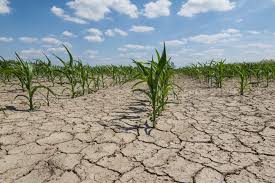
Persistent drought conditions in California and mounting climate-related stress in Nigeria are underscoring the growing importance of effective water management, irrigation systems, and climate-adaptation strategies in key agricultural regions.
In California, prolonged dry spells and increasingly erratic rainfall patterns continue to challenge one of the world’s most productive agricultural economies. Farmers across the state are facing reduced water allocations, declining groundwater levels, and higher irrigation costs, particularly in water-intensive sectors such as fruit, vegetable, and nut production. These pressures are forcing growers to reassess crop choices, invest in water-efficient technologies, and adopt precision irrigation methods to conserve limited resources.
State authorities have reinforced water-use regulations and promoted groundwater sustainability plans aimed at balancing agricultural needs with long-term environmental protection. While these measures are intended to secure water availability in the future, they have added to the short-term financial strain on farming operations, especially smaller producers with limited access to capital.
In Nigeria, agriculture is being shaped by a different but equally complex set of climate challenges. Irregular rainfall, extended dry periods in northern regions, and flooding in other areas are disrupting planting cycles and reducing yields of staple crops such as maize, sorghum, and rice. Many smallholder farmers rely heavily on rain-fed agriculture, making them particularly vulnerable to climate variability.
Efforts to expand irrigation infrastructure and improve water storage are gaining momentum in Nigeria, supported by government programmes and development partners. Climate-smart practices, including drought-tolerant crop varieties, improved soil management, and diversified farming systems, are being promoted to enhance resilience and protect livelihoods.
Experts note that the experiences of California and Nigeria highlight the global nature of climate stress on agriculture, despite differences in scale, resources, and production systems. Both regions face the challenge of producing food under increasingly uncertain climatic conditions while managing water resources sustainably.
As climate risks intensify, policymakers and agricultural stakeholders are placing greater emphasis on long-term adaptation strategies. Investments in water efficiency, data-driven farm management, and resilient infrastructure are increasingly seen as essential to safeguarding food production and rural economies in the face of ongoing environmental change.


 By
By











