

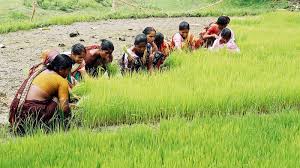
Women and youth are being increasingly recognized as central forces behind agricultural innovation in the Philippines, as sector leaders emphasize their critical role in advancing smart and sustainable farming practices. Policymakers and industry stakeholders have highlighted the need to empower these groups to ensure long-term food security and rural transformation.
Agriculture remains a vital pillar of the Philippine economy, yet it faces structural challenges including aging farmers, climate vulnerability, and limited access to modern technology. In this context, women and young farmers are emerging as catalysts for change, introducing digital tools, climate-smart techniques, and value-added agribusiness models that enhance productivity and resilience.
Women play a substantial role across the agricultural value chain—from production and processing to marketing and cooperative management. However, leaders note that greater access to land rights, credit facilities, extension services, and market information is essential to unlock their full potential. Targeted support programs are increasingly focusing on entrepreneurship training, financial inclusion, and leadership development for women in agribusiness.
At the same time, youth engagement is viewed as critical to revitalizing the sector. With the average age of farmers steadily rising, encouraging young people to pursue agriculture through innovation, agri-tech startups, and modern farm management practices has become a strategic priority. Digital agriculture platforms, precision farming tools, and e-commerce channels are making farming more technology-driven and attractive to younger generations.
Government agencies and development partners are promoting initiatives that integrate science, research, and community-based innovation. Programs supporting climate-resilient crops, smart irrigation systems, and sustainable resource management are increasingly designed with youth and women participation at their core.
Leaders stress that inclusive agricultural growth requires policy frameworks that address gender gaps and generational barriers. Strengthening access to financing, land tenure security, and technical education will be essential to building a more dynamic and competitive agricultural sector.
By highlighting women and youth as drivers of smart agriculture, the Philippines is signaling a forward-looking approach to food production—one that combines innovation, inclusivity, and sustainability to meet future challenges in the global food system.


 By
By











