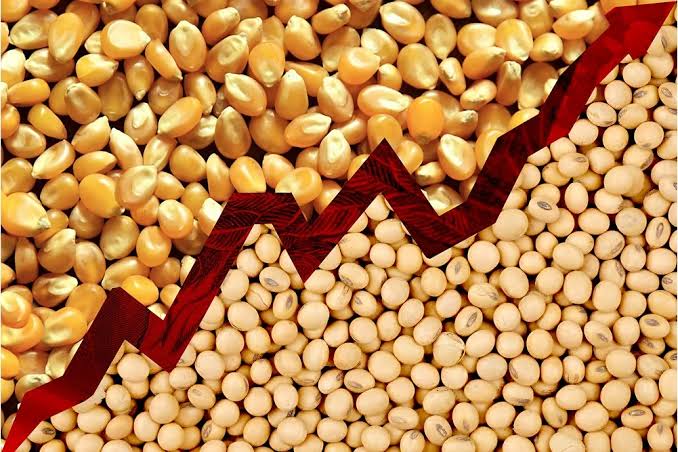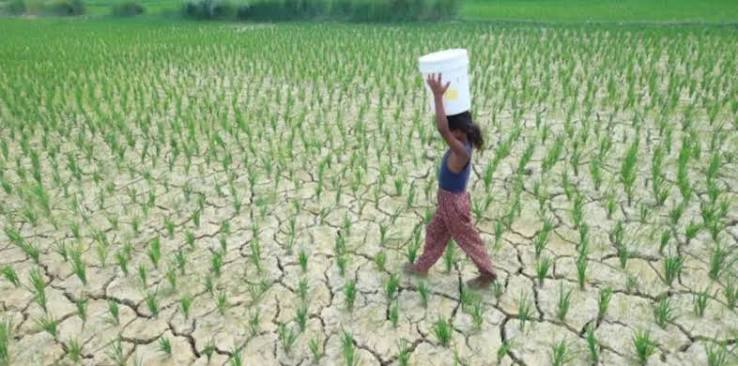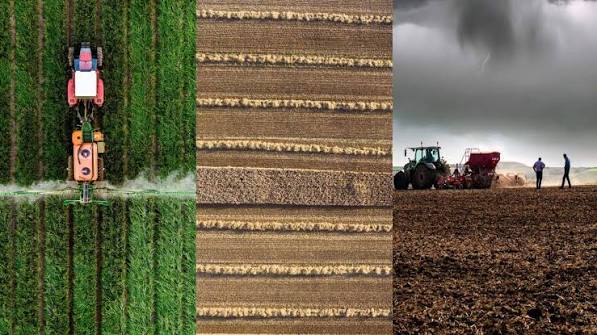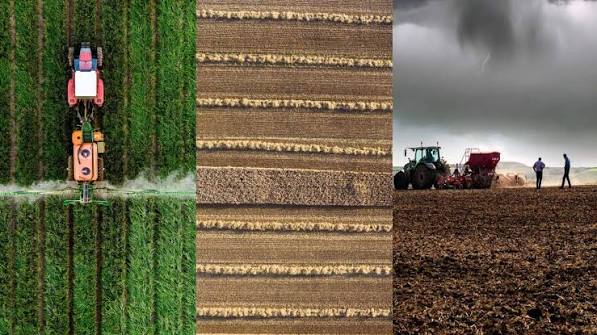
Farmers across Argentina are experiencing a mixed weather scenario this season, with recent rainfall bringing partial relief to drought-affected regions while overall precipitation levels remain insufficient to fully stabilize corn and soybean crops.
After prolonged dry spells that stressed crops during key growth stages, scattered rains in several agricultural zones have helped improve soil moisture conditions. The showers have been particularly beneficial for late-planted soybeans and second-crop corn, reducing immediate crop stress and supporting plant recovery. However, agronomists caution that rainfall distribution has been uneven, leaving some major producing areas still vulnerable.
Corn crops, especially those planted early in the season, were exposed to moisture deficits during critical pollination and grain-filling periods. As a result, yield potential in certain regions may already be compromised. Soybean fields, while somewhat more resilient, also require consistent follow-up rains to secure optimal pod development and grain weight.
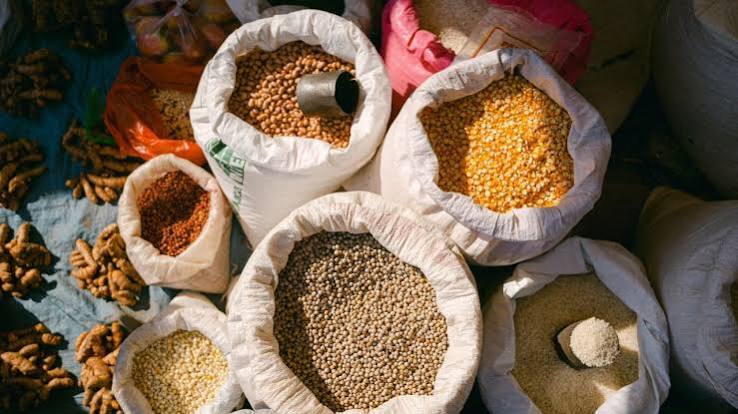
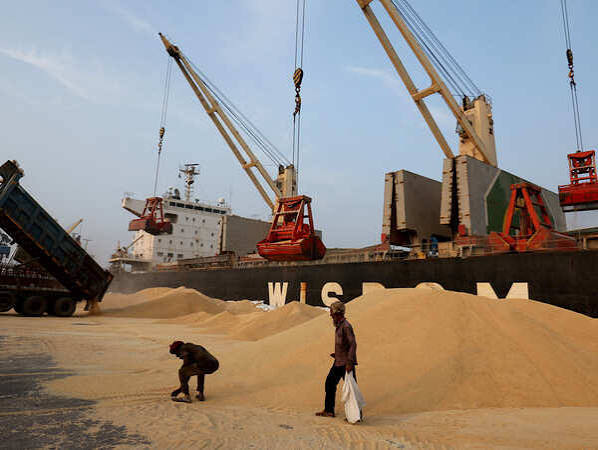
Agricultural analysts note that Argentina remains a key global exporter of corn and soybean products, including meal and oil. Any sustained weather-related production shortfalls could influence international commodity markets and export volumes. The country’s farm sector plays a vital role in global feed and food supply chains, making seasonal weather developments closely watched by traders and policymakers alike.
Producers are now monitoring forecasts carefully, as timely and widespread precipitation over the coming weeks will be critical in determining final yield outcomes. While the recent rains have provided short-term optimism, the overall production outlook remains sensitive to further climatic variability.
The evolving weather pattern underscores the growing impact of climate volatility on South American agriculture, reinforcing the need for resilient crop management strategies and adaptive farming practices in one of the world’s leading grain-producing nations.


 By