

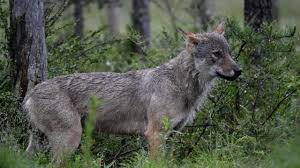
The government of France has authorized the culling of up to 200 wolves this year, increasing the previous quota in response to a surge in livestock attacks. The decision has intensified debate between farmer organizations and environmental groups, as authorities attempt to balance agricultural protection with wildlife conservation commitments.
Officials say the revised limit follows continued reports of wolf predation on sheep, goats, and cattle, particularly in alpine and rural grazing regions. Farming unions argue that despite preventive measures such as electric fencing, livestock guardian dogs, and enhanced night shelters, attacks have persisted and in some areas escalated. They contend that compensation payments do not fully cover indirect losses, including stress-related weight decline in animals, veterinary costs, and disrupted breeding cycles.
France’s wolf population, which naturally returned in the early 1990s after migrating from Italy, has steadily expanded and is now estimated at over 1,000 individuals. While wolves remain a protected species under European conservation laws, national authorities are permitted to authorize controlled culling when significant agricultural damage is documented.
Supporters of the increased quota describe it as a pragmatic management tool rather than a population-control strategy. They emphasize that the authorized number represents a capped maximum and that culling will be strictly regulated based on verified incidents.
However, conservation groups argue that expanding lethal control could undermine decades of recovery efforts for a species once nearly extinct in the country. They advocate for stronger non-lethal mitigation measures and improved coexistence strategies instead of higher shooting limits.
The move underscores a broader European challenge: reconciling wildlife restoration with the economic sustainability of pastoral farming systems.


 By
By











