

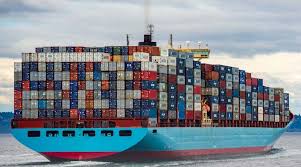
Agriculture industry experts are warning that the cost of agrochemicals could rise by 5–10% in the coming months due to increasing raw-material prices and ongoing global supply chain disruptions. The anticipated price hike may have a direct impact on crop protection expenses for farmers worldwide.
A significant portion of raw materials for fertilizers and pesticides is imported from China, and fluctuations in production costs or export restrictions are now creating pressure on global supply. Combined with rising shipping costs, logistics delays, and inflationary trends, agrochemical manufacturers are likely to adjust prices to maintain margins.
Industry analysts highlight that this increase will affect a broad range of crop protection products, including herbicides, insecticides, and fungicides. Farmers growing staples such as wheat, rice, maize, and cotton may see higher input costs, which could influence overall farm profitability if market crop prices do not rise proportionally.
The supply chain challenges are compounded by geopolitical tensions and shipping bottlenecks in key trade routes, which add unpredictability to procurement and distribution of raw materials. Manufacturers are reportedly exploring alternative sources and localized production to mitigate these risks, but such measures may take time to stabilize prices.
Agricultural economists caution that while the short-term impact may be more pronounced for high-input crops, prolonged price increases in agrochemicals could influence food production costs and consumer prices globally. Farmers are being advised to plan input purchases carefully and consider efficiency measures to reduce dependency on costly chemical inputs.
The situation underscores the critical role of stable global supply chains and international cooperation in ensuring affordable access to agricultural inputs. Stakeholders across the sector are closely monitoring developments, as any sustained rise in agrochemical costs could have a ripple effect on global food security and farm economics.


 By
By











