

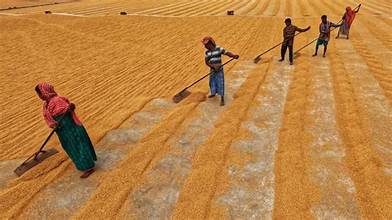
Global food prices continued their upward trend in March 2026, raising fresh concerns over affordability and food security worldwide. According to the Food and Agriculture Organization (FAO) of the United Nations, its Food Price Index recorded a 2.4 percent increase compared to the previous month. This steady rise reflects growing pressure across key commodity markets, driven by supply disruptions, climate challenges, and ongoing global uncertainties.
Among the most notable increases were in staple commodities such as wheat, sugar, and vegetable oils. Wheat prices surged due to tightening global supplies and unfavorable weather conditions in major producing regions. Export restrictions and logistical challenges in some countries have further added to the strain, making it harder for importing nations to secure affordable supplies. As wheat remains a core ingredient in many basic food products, including bread and cereals, its rising cost is expected to have a widespread impact on consumers.
Sugar prices also saw a sharp increase, fueled by concerns over lower production in key exporting countries. Weather-related issues, including irregular rainfall and heatwaves, have affected crop yields, leading to reduced output. At the same time, steady global demand has kept prices elevated, creating additional pressure on both food manufacturers and consumers.
Vegetable oil markets experienced similar volatility, with prices climbing significantly during the month. Supply constraints, coupled with fluctuating energy prices and strong demand from both food and biofuel industries, have contributed to the upward movement. Oils such as palm, soybean, and sunflower are widely used across the globe, making their price rise particularly impactful for everyday cooking and food production.
The continued increase in global food prices is a cause for concern, especially for developing countries where a large portion of household income is spent on food. Rising costs can lead to reduced access to nutritious meals, potentially worsening food insecurity and malnutrition. Governments and international organizations are closely monitoring the situation and may consider policy measures to stabilize markets and protect vulnerable populations.
Experts warn that unless supply conditions improve and global markets stabilize, food prices may remain elevated in the coming months. Climate variability, geopolitical tensions, and input cost fluctuations are expected to continue influencing price trends. The situation underscores the importance of strengthening global food systems, improving agricultural resilience, and ensuring that supply chains remain efficient and stable in the face of ongoing challenges.


 By
By











