The World Bank has raised concerns over a likely drop in global food prices in the coming months, warning that the trend may disproportionately impact producer nations like India, even as the country faces rising agricultural stress due to extreme heatwaves.
In its latest Global Food Outlook Report, the World Bank has highlighted a paradoxical trend while global food prices are showing signs of easing due to better harvests in some regions and increased grain exports from countries like Ukraine and Russia, climate-related disruptions in large agricultural economies like India could lead to uneven impacts on farmers and consumers.
Global Market vs. Local Reality
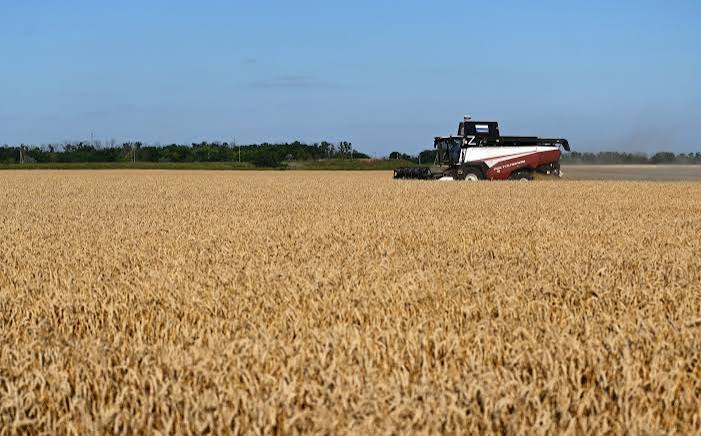
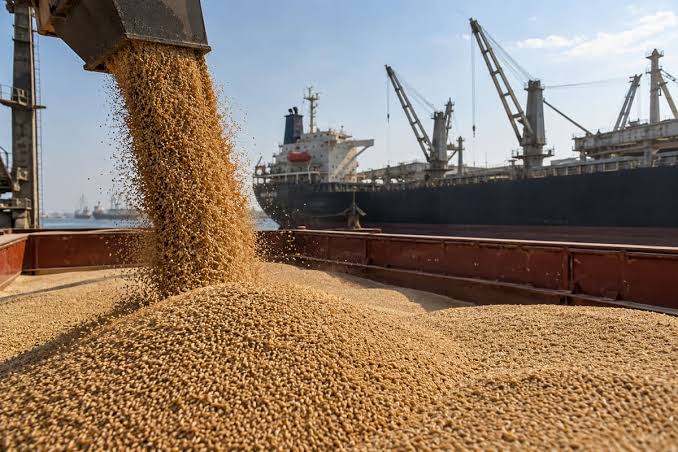
According to the report, international food prices for staples such as wheat, maize, and rice have started declining since early 2025, largely due to restored trade routes, stabilized shipping costs, and stronger output in the Americas and parts of Europe. However, the global drop in prices offers little relief to Indian farmers, who are currently grappling with reduced productivity and rising input costs due to prolonged and intense heatwaves.
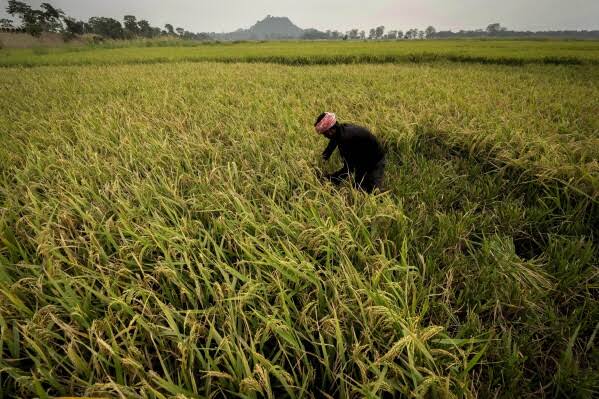
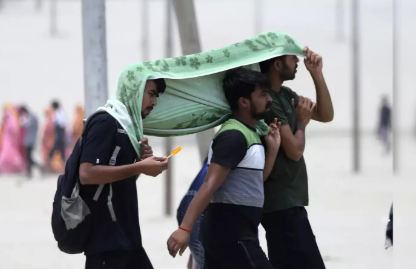
India, one of the world’s largest producers of wheat, rice, and pulses, has witnessed repeated heatwave episodes in key agrarian states such as Punjab, Uttar Pradesh, Madhya Pradesh, and parts of Maharashtra, with temperatures consistently crossing 45°C during crucial sowing and early growth phases.
“These extreme temperatures are severely affecting crop germination, increasing evapotranspiration, and placing tremendous stress on both irrigation and rainfed systems,” the report noted.
Impact on Indian Farmers
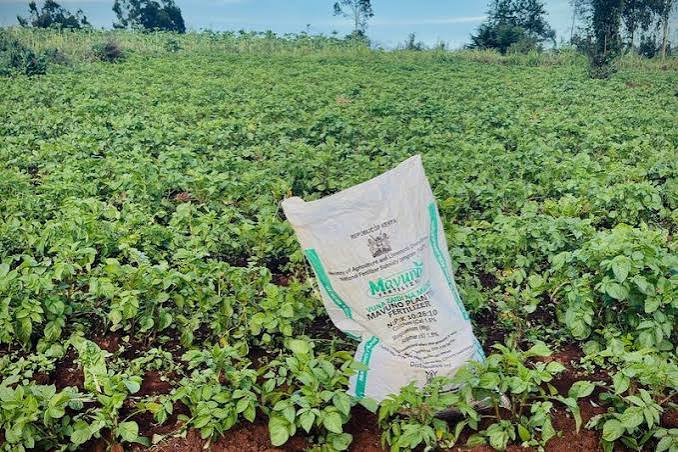
The World Bank has warned that Indian farmers may face shrinking profit margins as falling global prices translate into lower market returns for exportable commodities, while domestic costs remain high due to inflated fuel, pesticide, and electricity prices.
Moreover, heat-induced yield losses, especially in crops like wheat, pulses, and vegetables, could reduce incomes in already vulnerable rural areas. With over 50% of India’s workforce dependent on agriculture, this scenario could lead to broader socio-economic challenges, including rising rural distress and migration.
Government Measures and Policy Direction
The Indian government has acknowledged the dual challenge. Recent statements from the Ministry of Agriculture and Farmers’ Welfare mention plans to boost climate-resilient crop varieties, expand micro-irrigation schemes, and offer weather-indexed crop insurance to cushion the blow for farmers.
Experts from the Indian Meteorological Department (IMD) and agricultural universities have also called for revisiting the agro-climatic zoning and cropping calendar, aligning them better with emerging weather patterns.
The Reserve Bank of India (RBI) has hinted that falling food prices could help curb inflation but noted that supply-side disruptions might offset any gains unless productivity is restored.
The Road Ahead
The World Bank emphasized the need for urgent global and national strategies to make agriculture climate-resilient. “As food prices fall globally, the pressure on smallholder farmers rises if they are not supported with adaptive technologies, better price realization, and access to climate data,” the report concluded.
India stands at a critical crossroads where it must balance global trade realities with domestic sustainability. Without robust adaptation, the intersection of falling prices and rising heat stress could prove a serious setback for the country’s agrarian economy.


 By
By