South Africa is taking proactive steps to safeguard its poultry industry and strengthen its resilience to persistent drought conditions that have been affecting agricultural productivity across the country. The government, in collaboration with industry stakeholders and international partners, has announced a series of new initiatives aimed at enhancing food security, reducing disease outbreaks, and ensuring stable poultry production amidst growing climate challenges.
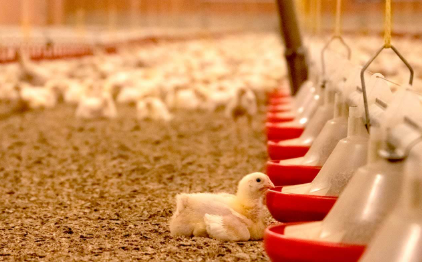
The Department of Agriculture, Land Reform and Rural Development (DALRRD) has unveiled a multi-pronged strategy to boost biosecurity measures in the poultry sector. This move comes in response to several outbreaks of avian influenza in recent years that caused significant losses to commercial and small-scale poultry farmers alike. The new measures include the implementation of stricter farm-level hygiene protocols, improved monitoring and early detection systems, and the promotion of vaccinations where feasible. The department has also committed to increasing funding for research into disease-resistant poultry breeds and advanced biosecurity infrastructure.
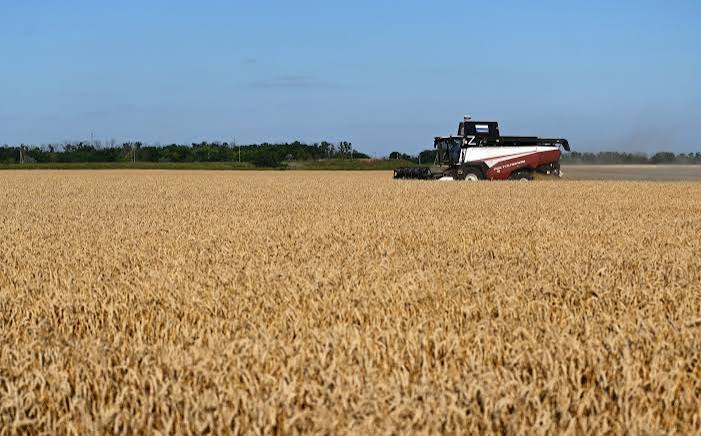
In parallel, efforts are being intensified to mitigate the impact of drought, which continues to threaten agricultural regions across South Africa, particularly in the Northern Cape, Free State, and Eastern Cape provinces. These regions have experienced below-average rainfall for consecutive seasons, straining water supplies and livestock feed resources. In response, the government has launched a Drought Resilience Support Program focused on providing farmers with access to drought-tolerant feedstock, improving water harvesting infrastructure, and offering technical training in climate-smart agriculture practices.
AgriSA, one of the leading agricultural unions in the country, has welcomed the government’s intervention, emphasizing that the poultry industry is a vital pillar of South Africa’s food supply chain. Poultry is the most consumed source of animal protein in the country, and any disruption in its production directly impacts food affordability and nutrition for millions of households. AgriSA also urged for faster disbursement of relief funds to affected farmers and greater collaboration between public and private sectors to ensure the effective rollout of support measures.
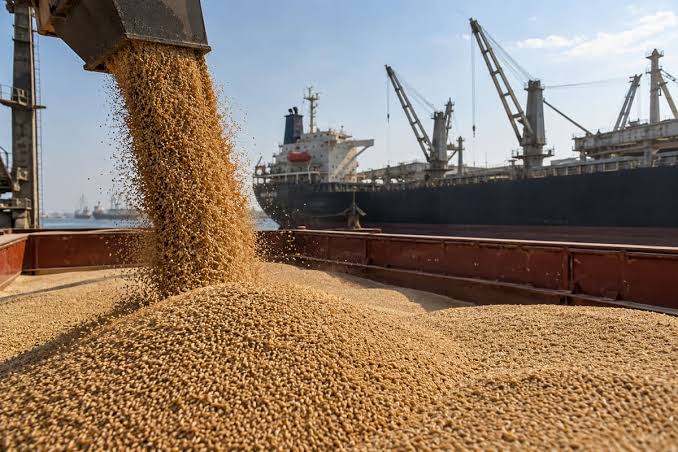
The South African Poultry Association (SAPA) also highlighted the need for long-term investments in local feed production and water conservation technologies. Many poultry producers rely on imported feed inputs such as soybeans and maize, which not only makes them vulnerable to global price fluctuations but also limits the industry’s sustainability. SAPA has been advocating for greater support to local grain farmers and the establishment of integrated value chains that can cushion the poultry industry from external shocks.
These new initiatives align with South Africa’s broader goals under its Agricultural Master Plan, which seeks to modernize the sector, improve rural livelihoods, and increase the contribution of agriculture to GDP. With climate change continuing to pose serious risks to food systems across southern Africa, experts underline the importance of timely policy action and innovation-driven responses.
As the government rolls out these poultry protection and drought resilience measures, it is hoped that farmers both commercial and smallholder will be better equipped to withstand future challenges, ensuring that South Africa’s food security remains intact and that agricultural growth continues in a sustainable and inclusive manner.


 By
By