

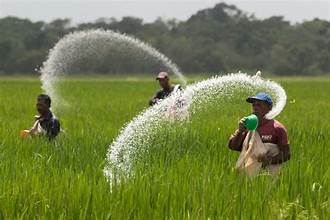
Australia’s agricultural sector is facing mounting pressure as a worsening fertilizer shortage begins to disrupt farm operations across key growing regions. Triggered by ongoing global supply chain disruptions, the crisis is expected to significantly impact crop production, with experts warning of potential yield losses ranging between 25% and 40% if the situation persists.
Fertilizers such as urea, potash, and phosphates are critical inputs for modern agriculture, directly influencing crop growth, soil fertility, and overall productivity. However, international market volatility, export restrictions from major producing countries, and rising energy costs have sharply reduced availability. As a result, Australian farmers are grappling with limited supply and soaring input prices.
According to industry analysts, the shortage is already affecting planting decisions for the upcoming season. Many farmers are choosing to reduce the area under cultivation or switch to less fertilizer-intensive crops in an effort to manage costs. This cautious approach, while necessary, could lead to a noticeable drop in overall agricultural output, particularly for staple crops such as wheat, barley, and canola.
Global institutions, including the Food and Agriculture Organization, have repeatedly warned that fertilizer supply disruptions could pose a serious threat to global food security. Australia, being one of the world’s major grain exporters, plays a crucial role in international food markets. Any decline in its production could have ripple effects on global supply chains, potentially pushing food prices higher.
The root causes of the crisis are complex and interconnected. Geopolitical tensions, trade restrictions, and logistical bottlenecks have constrained fertilizer exports from key producing regions. Additionally, the high cost of natural gas—a key input in fertilizer production—has forced several manufacturers worldwide to scale back output, further tightening global supply.
For Australian farmers, the financial strain is significant. Fertilizer costs have surged dramatically over the past year, squeezing profit margins and increasing the risk associated with planting. Small and medium-scale farmers are particularly vulnerable, as they have less capacity to absorb rising input costs or invest in alternative solutions.
In response, agricultural experts are encouraging the adoption of more efficient nutrient management practices. Techniques such as precision farming, soil testing, and targeted fertilizer application can help farmers maximize the effectiveness of limited supplies. Some are also exploring organic alternatives and biofertilizers, although these solutions may not fully replace conventional inputs in the short term.
The Australian government and industry bodies are actively monitoring the situation and exploring measures to support farmers, including potential subsidies, supply diversification strategies, and investment in domestic fertilizer production capacity. However, such interventions may take time to deliver tangible results.
As the crisis unfolds, the long-term implications for Australia’s agriculture sector remain uncertain. What is clear, however, is that the fertilizer shortage has exposed the vulnerability of global agricultural systems to supply chain shocks. Without timely intervention and adaptive strategies, the impact on crop yields, farm incomes, and food supply could be substantial in the months ahead.


 By
By











