

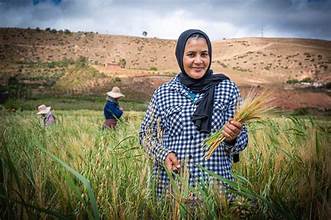
Morocco has taken a significant step toward strengthening its agricultural economy by signing multiple financing agreements at the SIAM 2026. The initiative is aimed at expanding access to rural credit, boosting agricultural investment, and accelerating the growth of agribusinesses across the country.
The agreements, announced during the high-profile agricultural event, bring together government institutions, financial organizations, and private sector stakeholders. Their shared objective is to improve financial inclusion in rural areas, where farmers—especially smallholders—often face challenges in accessing affordable credit and investment support.
Agriculture remains a cornerstone of Morocco’s economy, employing a large share of the rural population. However, limited access to finance has long been a bottleneck for modernization and productivity enhancement. By strengthening rural financing systems, the government aims to empower farmers to adopt advanced technologies, improve irrigation practices, and invest in higher-value crops.
Officials highlighted that the new financing framework will offer tailored credit solutions, including low-interest loans, risk-sharing mechanisms, and targeted funding for young entrepreneurs and agri-startups. This approach is expected to stimulate innovation in the sector while also encouraging private investment in agricultural value chains.
Institutions aligned with the Food and Agriculture Organization have consistently emphasized the importance of rural finance in achieving sustainable agricultural development. Morocco’s latest move reflects this global priority, particularly as countries seek to build more resilient food systems in the face of climate change and economic uncertainty.
A key focus of the agreements is the promotion of climate-smart agriculture. Farmers will be supported in adopting sustainable practices such as efficient water management, soil conservation, and diversification of crops. These measures are crucial for Morocco, where agriculture is highly vulnerable to drought and changing weather patterns.
In addition to supporting primary production, the financing push also targets agribusiness development. By improving access to capital for processing, storage, and marketing, the initiative aims to strengthen the entire agricultural value chain. This is expected to create new employment opportunities, increase rural incomes, and enhance the competitiveness of Moroccan agricultural products in global markets.
Experts believe that the success of this initiative will depend on effective implementation and coordination among stakeholders. Ensuring that financial services reach remote and underserved communities will be critical. Digital banking solutions and mobile-based financial platforms are likely to play a key role in expanding outreach.
The agreements signed at SIAM 2026 signal Morocco’s commitment to building a more inclusive and investment-driven agricultural sector. By addressing long-standing financial gaps and promoting innovation, the country is positioning itself to unlock the full potential of its rural economy.
As global agriculture faces increasing challenges, Morocco’s focus on rural financing offers a practical model for other developing nations seeking to empower farmers, strengthen agribusiness, and ensure long-term food security.


 By
By











