

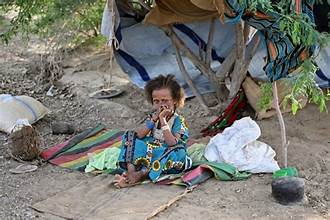
Escalating tensions in the Persian Gulf are sending shockwaves through global food systems, disrupting critical supply chains and raising concerns about food security and price stability worldwide. The region, a strategic hub for energy and trade, plays a vital role in the movement of agricultural inputs and commodities. Any instability here has immediate and far-reaching consequences for global agriculture.
One of the most significant impacts is on key maritime routes such as the Strait of Hormuz, through which a substantial share of global oil, natural gas, and fertilizer shipments pass. Disruptions in this corridor have led to higher transportation costs and delays in the delivery of essential agricultural inputs, including fertilizers and fuel. Since energy prices are closely linked to fertilizer production, rising oil and gas costs are directly pushing up input prices for farmers globally.
Organizations like the Food and Agriculture Organization have warned that such geopolitical shocks can quickly translate into food system instability. Fertilizer shortages, combined with higher fuel costs, are already increasing the cost of crop production in several countries. This could result in reduced planting, lower yields, and tighter global food supplies in the coming seasons.
Trade disruptions are also affecting the movement of staple commodities such as wheat, maize, and rice. Exporters and importers are facing logistical bottlenecks, insurance risks, and fluctuating freight rates. Countries that rely heavily on imports—particularly in Africa and parts of Asia—are especially vulnerable, as delays or reduced shipments can lead to immediate shortages in domestic markets.
Commodity prices have responded sharply to the uncertainty. Global markets are witnessing increased volatility, with prices of grains and oilseeds fluctuating in response to supply concerns and speculative trading. This volatility makes it difficult for farmers, traders, and policymakers to plan effectively, adding another layer of risk to an already uncertain environment.
Beyond crops, the livestock sector is also feeling the strain. Higher feed costs, driven by rising grain prices, are increasing the cost of meat, milk, and poultry production. At the same time, supply chain disruptions are affecting the availability of veterinary inputs and feed additives, further complicating farm operations.
The crisis underscores the interconnected nature of modern food systems. A conflict in one region can quickly cascade into global consequences, affecting everything from farm inputs to consumer prices. Experts stress the importance of diversifying supply sources, investing in local production capacities, and strengthening strategic reserves to reduce vulnerability to such shocks.
Governments around the world are closely monitoring the situation and considering policy responses, including subsidies, trade adjustments, and emergency stock releases. However, sustained instability in the region could have longer-term implications, potentially reshaping global trade patterns and agricultural strategies.
As tensions persist, the need for resilient and adaptable food systems has never been clearer. The current disruption serves as a stark reminder that ensuring global food security requires not only agricultural innovation but also geopolitical stability and coordinated international action.


 By
By











