

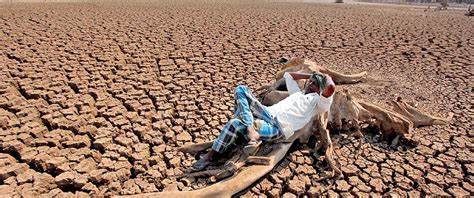
A new joint report by the Food and Agriculture Organization and the World Meteorological Organization has issued a stark warning: intensifying heatwaves are rapidly destabilizing global food systems, putting more than a billion people at risk of food insecurity.
The report highlights how rising global temperatures, driven by climate change, are already reducing crop yields across major agricultural regions. Heat stress disrupts critical growth stages in crops such as wheat, maize, and rice, leading to lower productivity and declining quality. In some regions, prolonged exposure to extreme temperatures has resulted in partial or complete crop failures, particularly where irrigation and adaptive infrastructure are limited.
Livestock production is also under severe strain. High temperatures affect animal metabolism, reduce feed intake, and lower milk and meat output. In extreme cases, heat stress can increase mortality rates, especially in poultry and dairy sectors. Farmers are being forced to invest more in cooling systems, water management, and modified feeding practices—raising production costs at a time when margins are already under pressure.
The FAO–WMO report further emphasizes that climate extremes are not isolated events but part of a growing pattern. Heatwaves are becoming more frequent, more intense, and longer-lasting, compounding the risks for agriculture. Regions in South Asia, Sub-Saharan Africa, and parts of Australia are identified as particularly vulnerable due to their already high baseline temperatures and dependence on climate-sensitive farming systems.
One of the most alarming findings is the scale of human impact. Over one billion people, many of them smallholder farmers and rural communities, are now exposed to the dual threat of declining food production and rising food prices. Reduced yields combined with supply chain disruptions can quickly translate into higher market volatility, making food less affordable and accessible for vulnerable populations.
Water scarcity is another critical concern linked to extreme heat. Higher temperatures accelerate evaporation rates, depleting soil moisture and reducing water availability for irrigation. This not only limits crop growth but also intensifies competition for water resources between agriculture, industry, and domestic use.
To mitigate these risks, the report calls for urgent investment in climate-resilient agriculture. Recommended strategies include the development of heat-tolerant crop varieties, expansion of efficient irrigation systems, and adoption of climate-smart farming practices. Early warning systems and improved weather forecasting are also seen as essential tools to help farmers make informed decisions.
Governments and international agencies are being urged to strengthen policy frameworks and financial support mechanisms to protect farmers and stabilize food systems. Without coordinated global action, the report warns, the impacts of extreme heat could reverse decades of progress in reducing hunger and poverty.
As climate pressures intensify, the message from the FAO and WMO is clear: safeguarding the future of global food security will require immediate, science-driven action. The resilience of agriculture—and the well-being of billions—now depends on how effectively the world responds to this growing heat crisis.


 By
By











