

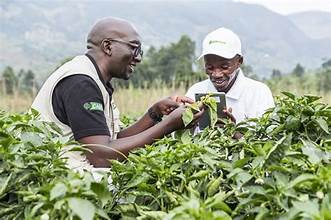
Kenya is emerging as a model for grassroots agricultural transformation with the success of the BRAINS (Building Resilience and Investing in New Solutions) project, a major initiative designed to connect research, markets, and technology adoption. The program is already showing promising results by improving farmer incomes and strengthening rural livelihoods.
The BRAINS project focuses on bridging long-standing gaps between agricultural research institutions and smallholder farmers. In many developing regions, innovations developed in laboratories often fail to reach the field due to weak extension systems and limited market linkages. BRAINS addresses this challenge by creating an integrated ecosystem where farmers, researchers, agribusinesses, and policymakers collaborate more effectively.
Supported by international partners, including the International Fund for Agricultural Development, the initiative promotes practical, scalable solutions tailored to local farming conditions. These include improved seed varieties, climate-resilient farming practices, and access to digital advisory tools that help farmers make informed decisions.
A key strength of the project lies in its market-oriented approach. Farmers are not only trained in better production techniques but are also connected directly to buyers, processors, and value chains. This ensures that increased productivity translates into higher incomes, rather than surplus produce going to waste. By strengthening market access, the project helps farmers secure better prices and reduce post-harvest losses.
Technology adoption is another critical pillar of BRAINS. Mobile-based platforms and digital tools are being used to deliver real-time information on weather, pest management, and market trends. These innovations empower farmers with knowledge that was previously difficult to access, enabling them to respond quickly to changing conditions.
The project also places strong emphasis on youth and women’s participation in agriculture. By supporting agri-entrepreneurship and providing training opportunities, BRAINS is helping to create new employment avenues in rural areas. This inclusive approach not only boosts productivity but also contributes to social and economic development.
Early results indicate that participating farmers are experiencing noticeable improvements in both yield and income levels. In addition, the adoption of sustainable practices is enhancing soil health and reducing vulnerability to climate-related risks such as droughts and erratic rainfall.
Experts believe that the BRAINS model could be replicated in other regions facing similar challenges. By aligning research, innovation, and market systems, the project offers a holistic approach to agricultural development—one that goes beyond increasing production to building resilient and profitable farming systems.
As global agriculture continues to grapple with climate change, population growth, and resource constraints, initiatives like Kenya’s BRAINS project highlight the importance of integrated solutions. By empowering farmers at the grassroots level, the program is not only transforming local agriculture but also contributing to broader goals of food security and sustainable development.


 By
By











