

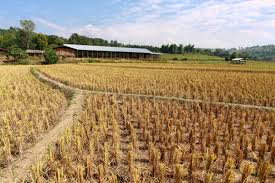
Agricultural experts across Asia are warning that a potential strong El Niño weather pattern could significantly impact crop production and place additional pressure on global food supplies in the months ahead. Rising temperatures and below-normal rainfall are already affecting key farming regions, with concerns growing over the future harvests of rice, wheat, and palm oil.
El Niño is a naturally occurring climate phenomenon characterized by warmer-than-average sea surface temperatures in the central and eastern Pacific Ocean. The event often disrupts normal weather patterns worldwide, leading to droughts in some regions and excessive rainfall in others. For many Asian countries, El Niño typically brings hotter and drier conditions that can negatively affect agricultural productivity.
Several major agricultural producers are already reporting signs of stress on crops due to prolonged dry weather and increasing temperatures. Rice-growing areas in Southeast Asia have experienced reduced water availability, while wheat-producing regions are facing concerns over soil moisture levels. Palm oil plantations, particularly in tropical regions, are also under pressure as dry conditions limit plant growth and reduce yields.
Agricultural analysts say the timing of the weather event is particularly concerning because many crops are entering critical growth stages. Insufficient rainfall during these periods can lower production levels, reduce grain quality, and increase the likelihood of crop losses. Farmers in vulnerable areas are being encouraged to adopt water-saving techniques, improve irrigation management, and use climate-resilient crop varieties where possible.
Rice, the staple food for billions of people across Asia, remains one of the most closely monitored commodities. Any significant decline in rice production could have far-reaching consequences for food security and market stability. Governments across the region are increasing surveillance of crop conditions and evaluating contingency plans to ensure adequate food supplies if weather conditions worsen.
The potential impact extends beyond Asia. The region accounts for a substantial share of global rice exports and palm oil production. Lower harvests could tighten international supplies and contribute to higher food prices worldwide. Commodity traders and food industry analysts are already watching weather forecasts closely, as prolonged drought conditions could affect global agricultural markets.
In addition to crop production challenges, livestock producers may also face difficulties due to reduced pasture growth and higher feed costs. Water shortages in rural areas could further strain farming operations, particularly in regions that depend heavily on seasonal rainfall.
Climate experts emphasize that while the ultimate strength and duration of the El Niño event remain uncertain, early preparation is essential. Governments, research institutions, and agricultural organizations are working together to provide farmers with weather information, technical support, and adaptation strategies designed to minimize potential losses.
As climate variability continues to influence agricultural systems worldwide, the developing El Niño serves as another reminder of the growing importance of climate-resilient farming practices. The coming months will be critical in determining the extent of its impact on crop production, food security, and global agricultural markets.


 By
By











