

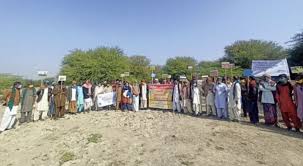
The global campaign marking the International Year of Rangelands and Pastoralists (IYRP) 2026 is gaining significant attention as governments, international organizations, researchers, and farming communities unite to highlight the importance of sustainable grazing systems and pastoral livelihoods. Supported by the Food and Agriculture Organization (FAO) and its partners, the initiative aims to promote the sustainable management of rangelands while addressing challenges related to climate change, biodiversity loss, and food security.
Rangelands cover more than half of the Earth’s land surface and include grasslands, savannas, shrublands, deserts, and other grazing ecosystems. These landscapes support millions of pastoralists, livestock keepers, and rural communities who depend on them for food, income, and cultural identity. Despite their importance, many rangelands face increasing pressure from land degradation, overgrazing, climate variability, and changing land-use patterns.
The International Year of Rangelands and Pastoralists 2026 seeks to raise awareness about the critical role these ecosystems play in global agriculture and environmental sustainability. Through policy discussions, research initiatives, educational campaigns, and community engagement programs, stakeholders are working to encourage better management and conservation of grazing lands.
One of the campaign’s key priorities is the promotion of sustainable grazing practices. Experts emphasize that well-managed grazing systems can improve soil health, increase vegetation cover, enhance water retention, and support long-term livestock productivity. Sustainable grazing also helps reduce land degradation while ensuring that pastoral communities can continue to earn a living from their traditional livelihoods.
Biodiversity conservation is another major focus of the initiative. Healthy rangelands provide habitat for a wide range of plant and animal species, many of which are essential for maintaining ecological balance. Conservation efforts under the campaign aim to protect these ecosystems while encouraging practices that support both agricultural production and environmental protection.
Climate resilience has emerged as a central theme of the 2026 campaign. Rangelands play an important role in carbon storage and climate regulation, making them valuable assets in the fight against climate change. At the same time, pastoral communities are often among the most vulnerable to droughts, extreme weather events, and shifting rainfall patterns. Strengthening resilience through improved land management, water conservation, and adaptive grazing strategies is considered crucial for the future of these regions.
The initiative also highlights the contribution of pastoralists to food security. Livestock raised on rangelands provide meat, milk, wool, and other products that support local economies and global food systems. In many developing countries, pastoralism remains a key source of nutrition and income for rural populations.
Governments and development organizations are increasingly recognizing the need to invest in rangeland restoration, infrastructure development, veterinary services, and market access for pastoral communities. Such investments can improve livelihoods while enhancing the sustainability of grazing-based production systems.
Researchers involved in the campaign are calling for stronger policies that recognize the value of pastoral knowledge and traditional land management practices. Many pastoral communities have successfully managed fragile ecosystems for generations and possess valuable expertise in adapting to environmental challenges.
As the International Year of Rangelands and Pastoralists 2026 gains momentum, global attention is increasingly focused on the role these landscapes play in supporting agriculture, biodiversity, and climate resilience. Supporters of the initiative hope it will lead to greater investment, stronger policies, and improved management practices that benefit both people and the environment.
With growing recognition of the importance of rangelands, the campaign is helping place sustainable grazing systems and pastoral livelihoods at the center of international discussions on food security, environmental conservation, and rural development.


 By
By











