

Agricultural innovation and sustainability are expected to remain at the forefront of global food system development in 2026, as international organizations, governments, researchers, and private-sector investors continue to prioritize technologies and practices that improve productivity while protecting natural resources. Growing concerns over climate change, food security, and resource efficiency are driving increased investment in sustainable farming solutions and agricultural research worldwide.
Leading agricultural institutions, including the Food and Agriculture Organization (FAO), have emphasized the importance of innovation in addressing the complex challenges facing global agriculture. With the world’s population continuing to grow and demand for food increasing, experts believe that sustainable productivity gains will be essential to ensuring long-term food security.
One of the key areas of focus is climate resilience. Farmers across the globe are facing more frequent droughts, floods, heatwaves, and unpredictable weather patterns. In response, researchers are developing climate-smart agricultural technologies and farming practices that help producers adapt to changing environmental conditions. These innovations include drought-tolerant crop varieties, precision irrigation systems, improved weather forecasting tools, and soil management techniques designed to enhance resilience.
The adoption of digital agriculture is also accelerating. Advanced technologies such as artificial intelligence, satellite monitoring, remote sensing, drones, and data analytics are transforming farm management practices. These tools enable farmers to make more informed decisions regarding irrigation, fertilization, pest control, and crop monitoring, improving efficiency while reducing input costs and environmental impacts.
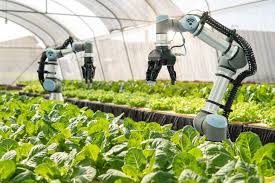
Investment in agri-tech continues to grow as investors recognize the sector’s potential to address global food challenges. Startups and technology companies are developing solutions that improve productivity, reduce waste, enhance supply chain efficiency, and support sustainable production systems. Areas attracting significant attention include precision agriculture, agricultural robotics, biotechnology, alternative proteins, and digital farm management platforms.
Sustainable farming practices are gaining wider acceptance as governments and agricultural organizations promote methods that balance productivity with environmental stewardship. Conservation agriculture, regenerative farming, integrated pest management, agroforestry, and efficient water-use strategies are increasingly being adopted to improve soil health, conserve biodiversity, and reduce greenhouse gas emissions.
Food-security research remains another major priority. Scientists are working to improve crop genetics, develop disease-resistant plant varieties, and enhance the nutritional value of staple foods. These efforts aim to help agricultural systems meet future food demand while addressing challenges such as land degradation, water scarcity, and changing climate conditions.
Smallholder farmers are also benefiting from innovation-focused initiatives. Development programs are expanding access to modern technologies, financial services, agricultural extension support, and digital information platforms. Such investments can help increase productivity, improve incomes, and strengthen the resilience of rural communities.
International agricultural experts stress that innovation alone will not be sufficient without supportive policies and investments. Collaboration among governments, research institutions, development agencies, and the private sector will be crucial to scaling successful technologies and ensuring that their benefits reach farmers of all sizes.
As 2026 progresses, the global agricultural sector is expected to continue embracing innovation as a pathway toward sustainability and food security. From climate-smart farming and digital agriculture to advanced research and agri-tech investment, these developments are helping shape a more resilient and productive future for global food systems.


 By
By











