

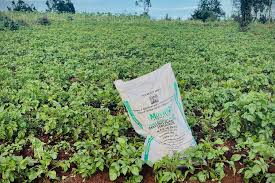
The Food and Agriculture Organization (FAO) has called on governments worldwide to keep trade channels open for fertilizers and other essential agricultural inputs, warning that export restrictions could significantly disrupt food production and threaten global food security.
In its latest assessment of agricultural markets, the FAO emphasized that unrestricted access to fertilizers, seeds, crop protection products, and other key farm inputs is critical for maintaining agricultural productivity. The organization cautioned that any limitations on the international movement of these products could create supply shortages, increase production costs, and reduce crop yields in many countries.
According to the FAO, global agriculture remains highly interconnected, with many nations relying on imported fertilizers and agricultural inputs to sustain food production. When major producing countries impose export bans or restrictions, the effects can quickly spread across international markets, causing price spikes and supply uncertainties that directly impact farmers.
The agency noted that fertilizers are particularly vulnerable to trade disruptions because production is concentrated in a limited number of countries. Many developing nations depend heavily on imports to meet their fertilizer requirements. Any interruption in supply can make it difficult for farmers to access essential nutrients needed for crop growth, potentially leading to lower harvests and reduced food availability.
FAO experts warned that the consequences of supply disruptions extend beyond agriculture. Reduced crop production can contribute to higher food prices, increased inflation, and greater food insecurity, especially in countries already facing economic challenges. Smallholder farmers are often the most affected, as they have limited financial resources to absorb rising input costs or secure alternative supplies.
The organization stressed that global food systems are already under pressure from multiple challenges, including climate change, extreme weather events, geopolitical tensions, and economic uncertainty. Adding trade barriers to agricultural inputs could further weaken the resilience of food production systems at a time when global demand for food continues to grow.
Agricultural economists point out that open and predictable trade policies help stabilize markets by ensuring that inputs move efficiently from producing regions to areas where they are needed most. Transparent trade practices can also reduce market volatility and encourage investment in agricultural production and supply chains.
The FAO is encouraging governments to strengthen international cooperation and avoid policy measures that could unintentionally worsen supply shortages. The agency believes that maintaining access to fertilizers and other critical inputs will be essential for supporting farmers, protecting crop yields, and ensuring stable food supplies in the coming years.
In addition to promoting open trade, the FAO has highlighted the importance of improving fertilizer efficiency, investing in domestic agricultural input industries, and supporting innovation in sustainable farming practices. These measures can help countries reduce vulnerabilities and build more resilient agricultural systems over the long term.
As global agriculture faces mounting challenges, the FAO’s message underscores the crucial role of international trade in supporting food production. By keeping agricultural input markets open and functioning smoothly, governments can help farmers maintain productivity, strengthen food security, and reduce the risk of future supply crises.


 By
By











