

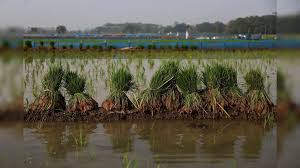
Global food markets may be better positioned to withstand potential weather-related disruptions this year, as inventories of major staple crops remain near multi-year highs. According to recent agricultural assessments, strong stock levels of wheat, rice, corn, and soybeans are expected to help reduce the risk of a large-scale global food crisis, even as climate uncertainties continue to threaten crop production in several regions.
Agricultural economists note that global grain reserves act as an important buffer during periods of production shortfalls caused by droughts, floods, heatwaves, or other extreme weather events. With substantial stocks currently available, governments and food markets have greater flexibility to respond to supply disruptions and stabilize prices.
Among the major grains, rice inventories are drawing particular attention. India, the world’s largest rice exporter, is reported to be holding record rice stocks. These reserves are expected to play a crucial role in supporting both domestic food security and international market stability if adverse weather conditions affect production in key growing regions.
Analysts believe that strong rice inventories could help offset potential supply pressures resulting from climate-related disruptions. India’s large stockpile provides an additional safety net for importing countries that depend heavily on global rice trade, particularly in Asia and Africa.
Global wheat supplies also remain relatively comfortable despite concerns about weather conditions in several major producing nations. While some regions have experienced dry conditions and production challenges, existing inventories are expected to help balance market supplies. Similarly, corn and soybean stocks remain at levels that can absorb moderate production losses without triggering severe shortages.
Food security experts emphasize that maintaining adequate grain reserves has become increasingly important as climate change contributes to more frequent and intense weather extremes. Strategic stockpiles allow countries to manage temporary supply gaps, moderate price volatility, and ensure the continued availability of essential food commodities.
However, experts caution that strong inventories do not eliminate all risks. Extended droughts, widespread crop failures, geopolitical tensions, trade restrictions, or transportation disruptions could still place pressure on global food systems. In addition, some regions remain vulnerable due to limited purchasing power, high food import dependence, and ongoing economic challenges.
The presence of substantial grain stocks is particularly significant as climate forecasters continue to monitor changing weather patterns across major agricultural regions. Uncertain rainfall, temperature fluctuations, and the possibility of extreme weather events remain key concerns for farmers and policymakers alike.
Despite these challenges, current stock levels offer reassurance that global food supplies are better protected than during previous periods of market stress. Agricultural organizations and market analysts suggest that the combination of healthy inventories, improved crop management practices, and ongoing monitoring of global production conditions should help reduce the likelihood of a major food supply crisis in the near term.
As governments and international agencies continue to focus on food security, the availability of large grain reserves serves as a reminder of the importance of building resilient agricultural systems. With wheat, rice, corn, and soybean stocks remaining robust, the global food sector enters the season with a stronger capacity to manage potential shocks and maintain stability in food markets worldwide.


 By
By











