

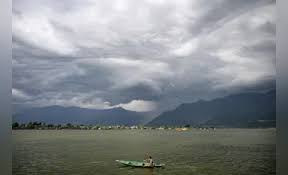
Concerns are mounting across India’s agricultural sector as the 2026 southwest monsoon continues to remain significantly below normal, with rainfall reported to be nearly 40 percent lower than average in several parts of the country. Weather experts attribute the weak monsoon performance largely to the influence of El Niño conditions, which are known to suppress rainfall over the Indian subcontinent.
The delayed and deficient rainfall has raised alarms among farmers, policymakers, and agricultural economists, as the monsoon season plays a critical role in supporting India’s food production. Nearly half of the country’s cultivated land depends on rainfall, making timely and adequate monsoon precipitation essential for the sowing and growth of key kharif crops such as rice, pulses, oilseeds, maize, and cotton.
Agricultural regions across northern, central, and western India have reported lower-than-normal rainfall during the early phase of the monsoon season. Farmers in several states have either postponed sowing operations or reduced the acreage under cultivation due to insufficient soil moisture. Experts warn that if the rainfall deficit continues over the coming weeks, crop establishment and yield prospects could be adversely affected.
Rice cultivation, which accounts for a significant share of India’s food grain production, is particularly vulnerable to prolonged dry conditions during the sowing period. Similarly, pulses and oilseeds, which are crucial for domestic food security and edible oil supplies, could face production challenges if weather conditions fail to improve.
The India Meteorological Department (IMD) is closely monitoring rainfall patterns and weather systems developing over the Indian Ocean and the Bay of Bengal. While forecasts indicate the possibility of improved rainfall activity in some regions during the coming weeks, uncertainty remains regarding the overall seasonal performance of the monsoon.
Economists note that a prolonged monsoon deficit could have broader implications beyond agriculture. Reduced crop output may contribute to higher food prices, increase inflationary pressures, and affect rural incomes. The agricultural sector remains a major source of livelihood for millions of Indians, and any significant disruption in farm production can have far-reaching economic consequences.
State governments and agricultural agencies have begun advising farmers on contingency measures, including the adoption of drought-tolerant crop varieties, moisture conservation practices, and alternative cropping strategies. Irrigation-dependent regions are also reviewing water availability to ensure adequate supplies during critical crop growth stages.
Climate scientists point out that extreme weather events and changing rainfall patterns are becoming increasingly common, highlighting the need for greater resilience in agricultural systems. Investments in water-efficient farming techniques, improved irrigation infrastructure, and climate-smart agriculture are being viewed as essential for reducing future risks.
Despite the current concerns, experts emphasize that the monsoon season is still underway and rainfall patterns can change rapidly. Several important weather systems are expected to develop during the coming weeks, which could help reduce the existing deficit. However, farmers and policymakers remain cautious as they closely watch the progress of one of the most important monsoon seasons for India’s agricultural economy.
The coming weeks will be crucial in determining the fate of the 2026 kharif crop season and its impact on food production, farm incomes, and overall economic stability.


 By
By











