

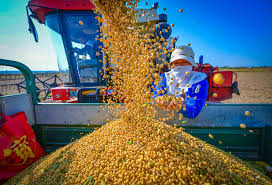
Global grain markets received a significant boost this week after China reaffirmed its multibillion-dollar commitment to agricultural imports, fueling optimism among exporters and helping drive corn and wheat prices higher. The announcement has strengthened confidence in international agricultural trade at a time when food markets continue to navigate economic uncertainty, geopolitical tensions, and climate-related production risks.
As the world’s largest importer of several agricultural commodities, China plays a crucial role in shaping global demand for grains and oilseeds. Market analysts say the renewed commitment to large-scale agricultural purchases signals continued strong demand from China, providing support to international commodity prices and improving market sentiment among major exporting nations.
Following the announcement, futures prices for corn and wheat recorded gains across major commodity exchanges as traders anticipated stronger import demand in the coming months. Agricultural economists noted that China’s purchasing decisions often have a substantial impact on global grain markets due to the sheer scale of its food, feed, and industrial requirements.
China’s growing population, expanding livestock sector, and focus on maintaining food security have contributed to sustained demand for imported agricultural products. Corn remains a critical feed ingredient for the country’s poultry and livestock industries, while wheat imports help supplement domestic production and support food processing industries.
The renewed import commitment is expected to benefit major grain-exporting countries, including the United States, Brazil, Argentina, Canada, and Australia, all of which play important roles in supplying global agricultural markets. Exporters are closely monitoring developments as stronger Chinese demand could create additional trade opportunities and improve farm incomes.
Market participants also view the announcement as a positive signal for global agricultural trade flows. Over the past few years, grain markets have experienced significant volatility due to weather disruptions, transportation challenges, geopolitical conflicts, and changing trade policies. China’s continued engagement in international markets is seen as a stabilizing factor that can support demand and encourage investment across agricultural supply chains.
Industry experts point out that global grain inventories remain sensitive to weather conditions in major producing regions. Droughts, floods, and extreme temperatures have affected crop prospects in several countries, making demand signals from major buyers particularly important for market stability. The increase in grain prices reflects not only stronger demand expectations but also ongoing concerns about future supply availability.
In addition to supporting grain markets, China’s agricultural purchasing plans are expected to have broader implications for related sectors, including transportation, storage, logistics, and agricultural input industries. Higher trade volumes could stimulate activity throughout the global agricultural value chain.
Analysts caution that market conditions remain dynamic and will continue to depend on factors such as crop production forecasts, currency movements, trade policies, and global economic growth. Nevertheless, China’s reaffirmed commitment has provided a welcome boost to market confidence.
As global food demand continues to rise, China’s role in agricultural trade remains central to the health of international grain markets. The latest commitment underscores the country’s ongoing influence on commodity prices and highlights the interconnected nature of today’s global food system.


 By
By











