Global rice markets are facing increasing uncertainty as a combination of geopolitical tensions, rising input costs, and weather-related risks threatens to tighten supplies during the 2026–27 season. Agricultural analysts warn that rice prices could become more volatile in the coming months if farmers reduce planting due to higher production costs and unfavorable weather conditions.
Rice is the staple food for more than half of the world’s population, making the stability of rice supplies critical for global food security. However, farmers across several major rice-producing countries in Asia are confronting a challenging environment marked by rising fuel prices, expensive fertilizers, and concerns over the impact of the developing El Niño weather phenomenon.
Higher fuel costs have increased expenses related to land preparation, irrigation, harvesting, and transportation. At the same time, elevated fertilizer prices continue to put pressure on farm profitability. Many growers are reassessing planting decisions as production costs rise while market uncertainties remain high.
Geopolitical tensions in key trade routes and energy-producing regions have added another layer of risk to agricultural markets. Disruptions to energy supplies or fertilizer shipments could further increase input costs, affecting rice cultivation across import-dependent countries. Experts note that fertilizer availability remains a crucial factor in maintaining productivity, particularly in intensive rice-growing systems.
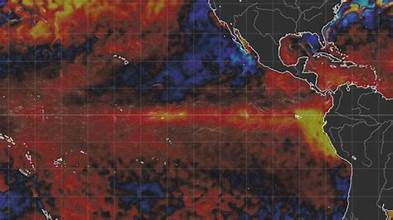
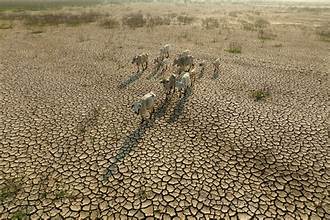
Weather uncertainty linked to El Niño is also emerging as a major concern. The climate pattern is often associated with below-normal rainfall in parts of South and Southeast Asia, regions that account for a significant share of global rice production. Reduced rainfall can affect reservoir levels, irrigation supplies, and crop development during critical growth stages.
Several rice-exporting nations are closely monitoring weather conditions as planting seasons progress. If drought conditions intensify or rainfall remains below average, production forecasts could be revised downward, potentially tightening global supplies and increasing market sensitivity to further shocks.
Market observers warn that even modest declines in output from major producing countries can have a substantial impact on international rice prices because only a relatively small portion of global rice production is traded internationally. As a result, supply disruptions in key exporting countries can quickly influence global market sentiment.
Despite these concerns, global rice inventories remain relatively comfortable compared to previous periods of market stress. Strong stock levels in several major producing countries provide an important buffer against immediate shortages. However, analysts caution that prolonged adverse weather or additional trade disruptions could gradually erode this cushion.
Governments and international organizations are encouraging countries to maintain open agricultural trade policies and avoid export restrictions that could exacerbate price volatility. Lessons from previous food market disruptions have shown that trade barriers often amplify uncertainty and contribute to sharper price increases.
Experts also recommend increased investment in climate-resilient rice varieties, efficient irrigation systems, and improved nutrient management practices to help farmers adapt to changing weather patterns and rising production costs.
As the year progresses, the outlook for global rice markets will largely depend on weather developments, input availability, and geopolitical stability. While current supplies remain adequate, the combination of El Niño risks and economic pressures suggests that rice markets could experience heightened volatility, making close monitoring essential for governments, traders, and food security agencies worldwide.


 By
By