Global agricultural markets are entering a period of heightened uncertainty as extreme weather events and the possibility of El Niño-related disruptions raise concerns about crop production and food supplies. Weather conditions are becoming an increasingly influential factor in determining agricultural prices, with changes in rainfall, temperature and seasonal patterns capable of affecting both production and international trade.
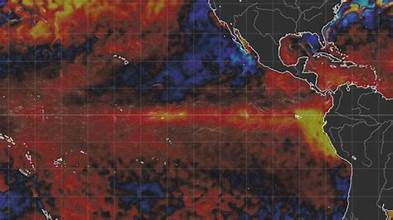
One of the key concerns for global markets is the potential impact of El Niño in Southeast Asia. The climate phenomenon can alter normal weather patterns across several agricultural regions, potentially bringing drier conditions to areas that depend on regular rainfall. Such changes can create challenges for farmers and increase uncertainty surrounding the production of crops and other agricultural commodities.
The vegetable oil sector is particularly sensitive to weather developments. Several major oilseed and vegetable oil-producing regions depend heavily on favourable weather conditions. Any reduction in production expectations can tighten supplies and contribute to higher prices in international markets. Because vegetable oils are widely used in food processing, cooking and industrial applications, changes in their prices can also influence broader food costs.
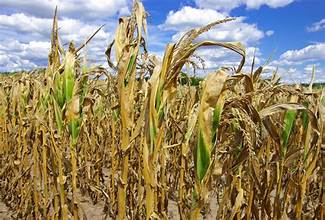
Extreme weather is not limited to one region or crop. Heatwaves, droughts, excessive rainfall, floods and storms can disrupt agricultural activities at different stages of the production cycle. Crop planting, flowering, harvesting and transportation can all be affected when weather conditions become unusually severe.
For global commodity markets, even the possibility of weather-related production losses can influence prices before the actual impact on supplies becomes clear. Traders and food companies closely monitor weather forecasts and crop conditions, adjusting their expectations as new information becomes available. This can increase price volatility when forecasts change rapidly.
The situation is particularly important for countries that rely on international markets to meet a significant portion of their food and edible oil requirements. Higher global commodity prices can increase import costs and eventually place additional pressure on domestic food prices. Lower-income households are often more vulnerable because food represents a larger share of their overall expenditure.
At the same time, farmers face a mixed situation. Higher commodity prices may improve potential returns for producers, but extreme weather can reduce yields and increase production risks. Rising costs for irrigation, energy, fertilizers and other inputs can further affect farm profitability.
The growing influence of climate risks is also encouraging greater attention to climate-resilient agriculture. Investments in drought-tolerant crop varieties, efficient irrigation, improved weather forecasting, crop diversification and better farm-level risk management could help producers deal with changing conditions.
Governments and international organizations are also expected to keep a close watch on global crop prospects, inventories and trade flows. Early information about potential supply disruptions can help countries prepare food-security measures and reduce the risk of sudden market shocks.
With climate variability becoming a central consideration for agricultural planning, weather developments will remain critical for global food-price forecasts. The potential influence of El Niño in Southeast Asia adds another layer of uncertainty, particularly for vegetable oils and other weather-sensitive commodities.
As the global food system becomes increasingly interconnected, the ability to anticipate and manage climate-related production risks will be essential for maintaining stable supplies and limiting excessive price volatility.

 By
By