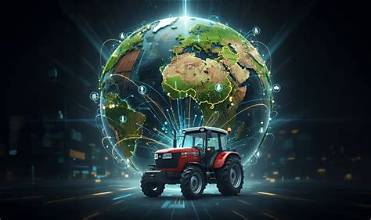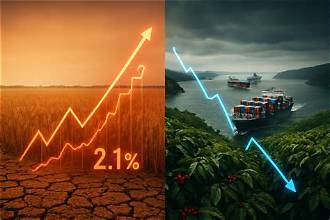
European agricultural markets are continuing to show resilience, but farmers and producers across the European Union are facing a growing number of risks that could affect profitability and market stability. The European Commission has indicated that agricultural markets remain relatively robust, while geopolitical tensions, weather uncertainty, animal diseases and international trade disputes are creating a more challenging operating environment.
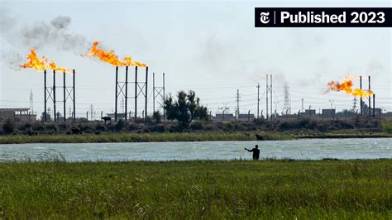
One of the major concerns is the impact of geopolitical developments on agricultural input costs. Rising energy and transportation expenses can quickly affect the cost of producing and distributing food. Farmers depend on fuel, fertilizers, electricity, machinery and other inputs, making agricultural production sensitive to changes in global energy and commodity markets.
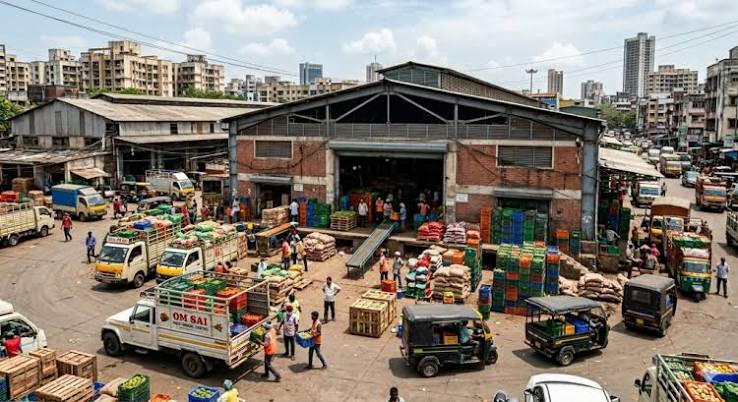
The ongoing conflict and instability in the Middle East have added another layer of uncertainty. Disruptions or risks to international trade routes can increase shipping costs and create delays in the movement of agricultural products and inputs. European farmers and food businesses could consequently face higher costs if global logistics become more expensive or less predictable.
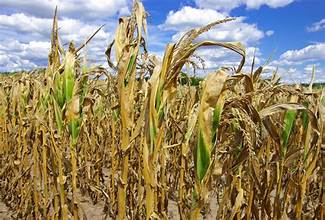
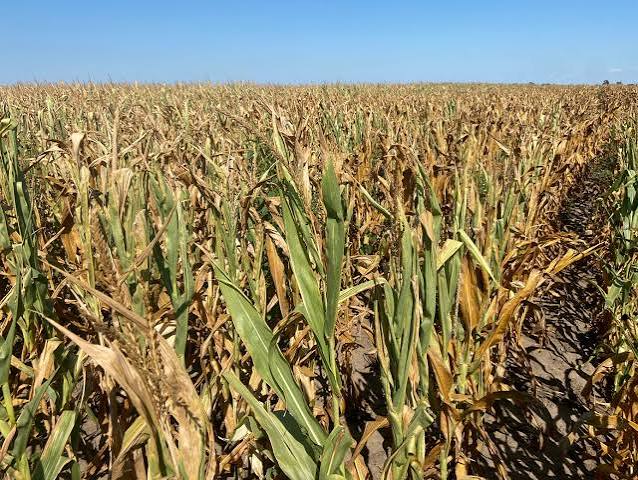
Weather remains another major factor influencing the EU agricultural outlook. Extreme heat, drought, heavy rainfall and other unusual weather events can reduce crop yields and affect the quality of agricultural production. Such conditions may also increase irrigation requirements and raise production costs for farmers.
Different regions of Europe can experience very different weather conditions, making agricultural markets particularly complex. A poor harvest in one region may tighten supplies, while favourable conditions elsewhere can help offset some losses. However, repeated extreme weather events could place greater pressure on farm incomes over time.
Animal health is also an important concern. Outbreaks of livestock diseases can affect production, movement of animals and international trade. Measures designed to control disease can create additional costs for farmers and potentially disrupt supplies of meat and other animal products.
Trade tensions are adding to the uncertainty. Changes in tariffs, import rules, export restrictions and market-access agreements can influence the competitiveness of European agricultural products. Farmers and agricultural businesses may find it more difficult to plan production when international trade conditions change rapidly.
Despite these challenges, the European Commission’s assessment suggests that the overall agricultural market remains relatively stable. Strong demand in some sectors, continued production and established supply chains can provide support to the market. However, stability at the broader market level does not necessarily mean that individual farmers are protected from rising costs.
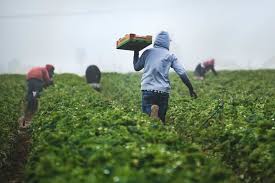
Producer margins remain a key issue. When the cost of fertilizers, energy, machinery, labour and transport rises faster than farm-gate prices, farmers can see their profitability decline. Smaller producers may be particularly exposed because they often have less financial flexibility to absorb sudden cost increases.
European farmers are therefore increasingly looking toward efficiency improvements and risk-management strategies. Better input management, precision agriculture, improved crop varieties, diversified production and stronger supply-chain planning could help producers cope with market volatility.
The latest outlook highlights how closely European agriculture is connected to global developments. Geopolitical conflicts, climate conditions, animal health and trade policy can all influence production costs and market prices.
While EU agricultural markets remain relatively robust, the combination of higher input costs and multiple external risks means that uncertainty is likely to remain a significant feature of the sector. Policymakers, farmers and food businesses will need to closely monitor these developments to protect agricultural competitiveness and maintain reliable food supplies across Europe.

 By
By