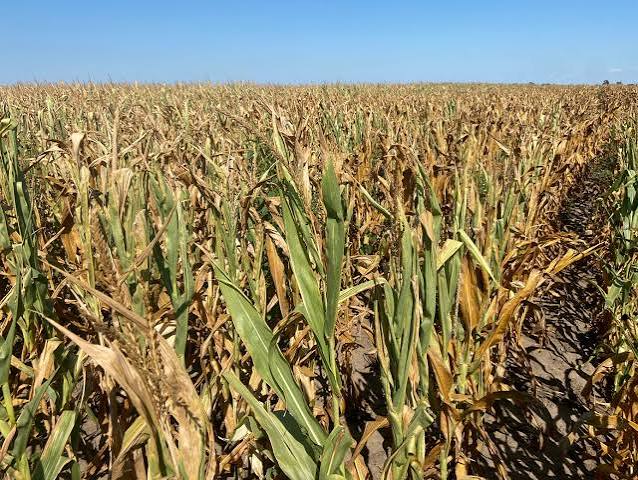
Ukraine’s corn-breeding sector is continuing to develop new varieties and strengthen research despite the major challenges created by war and climate change. For private breeding companies and agricultural researchers, genetics, climate resilience and advanced breeding technology are becoming increasingly important as farmers seek reliable crops capable of performing under difficult growing conditions.
Ukraine has long been an important producer and exporter of agricultural commodities, including corn. The crop plays a significant role in the country’s farming economy and contributes to both domestic feed supplies and international grain markets.
War Creates New Challenges for Agriculture
The ongoing war has placed substantial pressure on Ukraine’s agricultural sector. Farmers and agricultural companies have had to deal with disruptions to logistics, damaged infrastructure, limited access to some production areas and uncertainty surrounding planting and harvesting operations.
Breeding companies face their own challenges, including maintaining research programmes, protecting genetic resources and ensuring the availability of seed for farmers. Despite these difficulties, continued investment in crop genetics remains important for maintaining agricultural productivity.
The resilience of the private breeding sector demonstrates the strategic importance of agricultural innovation during periods of crisis.
Climate Resilience Becomes a Priority
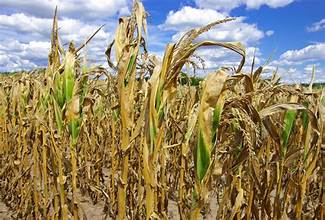
Climate change is adding another layer of complexity for Ukrainian corn producers. Changing rainfall patterns, higher temperatures, drought periods and extreme weather events can affect crop establishment, growth and final yields.
As a result, breeders are increasingly looking for genetic traits that can help corn plants tolerate environmental stress. Drought tolerance, heat resilience, improved water-use efficiency and stable yield performance are becoming important objectives in breeding programmes.
Developing varieties capable of producing dependable yields under variable weather conditions could help farmers reduce production risks.
Genetics and Breeding Technology Drive Innovation
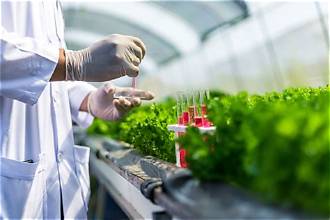
Modern corn breeding increasingly relies on advanced genetic tools and data-driven approaches. Researchers can evaluate large numbers of breeding lines and identify characteristics that may contribute to improved yield, disease resistance and environmental adaptability.
Breeding technology can also accelerate the development and selection of promising genetic material. Combining conventional breeding expertise with modern genomic and analytical techniques may allow companies to respond more quickly to changing farmer requirements.
For Ukraine, developing locally adapted genetics is particularly valuable because varieties must perform under the country’s specific soil, climate and production conditions.
Importance for Farmers and Food Security
Reliable corn varieties can provide significant benefits to farmers. Stable yields can improve farm planning and reduce exposure to weather-related losses. Better disease resistance can also help producers manage crop-health risks and potentially reduce dependence on certain crop-protection measures.
At a broader level, stronger domestic breeding capacity can contribute to food security by supporting consistent agricultural production even during periods of uncertainty.
The availability of high-quality seed is also important for Ukraine’s role in international grain markets. Maintaining productive agriculture can support both domestic needs and export activity.
Looking Ahead
Ukraine’s continued investment in corn breeding illustrates how agricultural innovation can progress even under difficult circumstances. The combination of private-sector research, genetic improvement and modern breeding technology could help the country develop corn varieties better suited to future environmental and production challenges.
As climate risks increase, the demand for climate-resilient genetics is likely to grow worldwide. Ukraine’s experience could therefore offer valuable lessons for other agricultural regions facing the combined pressures of extreme weather, market uncertainty and changing production conditions.
For Ukrainian farmers, stronger genetics and improved breeding technology may become increasingly important tools for protecting productivity and building a more resilient agricultural sector.

 By
By