Global agriculture and fisheries are expected to experience significant expansion over the coming decade, with production projected to increase by around 13% between 2026 and 2035, according to the OECD-FAO Agricultural Outlook 2026–2035. The forecast points to continued growth in food production as farmers and producers adopt improved technologies, increase productivity and intensify the use of available agricultural resources.
Much of the projected expansion is expected to come from Asia, sub-Saharan Africa and Latin America, regions that are likely to play an increasingly important role in meeting rising global demand for food, feed and agricultural raw materials.
Productivity improvements are expected to remain one of the main drivers of global agricultural growth. Better crop varieties, improved livestock genetics, precision farming, mechanisation, digital technologies and more efficient use of fertilizers and water can allow producers to generate greater output without requiring a proportionate expansion in agricultural land.
Agricultural intensification is another important factor behind the outlook. Producers are expected to increase the productivity of existing farmland and production systems through improved management practices and greater access to technology and inputs. This could help meet growing demand while reducing some of the pressure to convert additional natural ecosystems into agricultural land.
Asia is expected to remain a major contributor to global production growth. The region has a large agricultural sector and significant food demand, supported by its growing population and changing consumption patterns. Improvements in productivity and farm management could further strengthen its contribution to global agricultural output.
Sub-Saharan Africa is also expected to account for a substantial share of future growth. The region has considerable agricultural potential, but productivity levels remain relatively low in many areas. Increased investment in infrastructure, agricultural technology, irrigation, research, market access and farmer services could unlock additional production capacity.
Latin America is likely to remain another important agricultural growth centre. The region is a major producer and exporter of commodities such as soybeans, maize, meat and other agricultural products. Continued technological development and productivity gains could support further expansion while increasing the region’s importance in international food markets.
However, higher production will not automatically eliminate global food-security challenges. Population growth, changing diets, climate change, water constraints and economic inequality will continue to influence food demand and access. Agricultural production will also need to become more resilient to extreme weather events and other environmental risks.
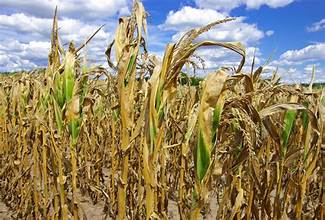
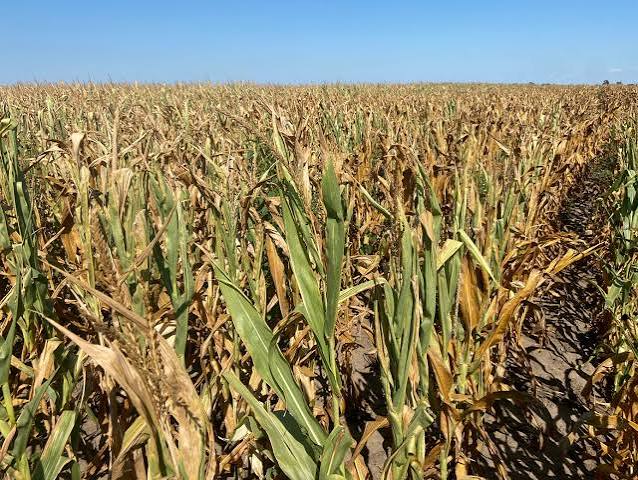
Climate change presents a particularly important challenge for the long-term outlook. Rising temperatures, changing rainfall patterns, droughts and floods can affect crop and livestock productivity. Greater investment in climate-resilient agriculture will therefore be necessary to ensure that projected production gains can be sustained.
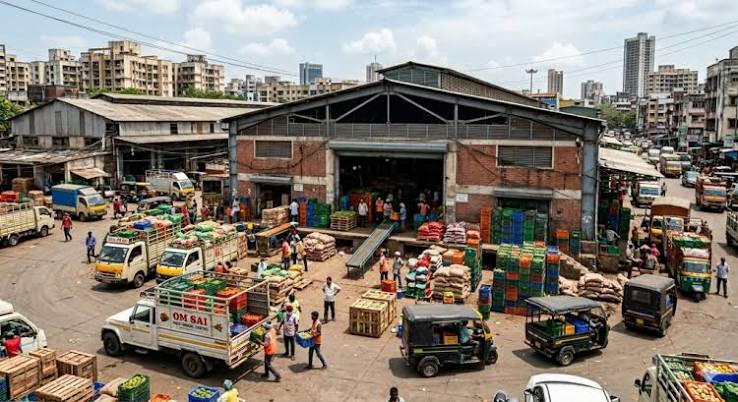
The expected expansion also highlights the importance of efficient international trade. As production becomes increasingly concentrated in certain regions, reliable trade networks will be essential for moving agricultural products from surplus areas to countries with higher demand.
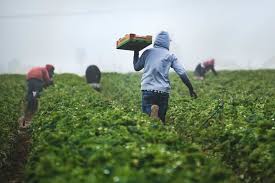
For farmers and agribusinesses, the outlook suggests continued opportunities in productivity-enhancing technologies, agricultural inputs, machinery, digital farming and supply-chain services. At the same time, producers will need to manage increasingly complex risks related to climate, markets and resource availability.
The projected 13% increase in global agricultural and fish production by 2035 reflects the sector’s capacity to meet rising demand through productivity growth and intensification. Ensuring that this expansion is environmentally sustainable, economically viable and resilient to climate change will be critical to strengthening global food security over the next decade.

 By
By