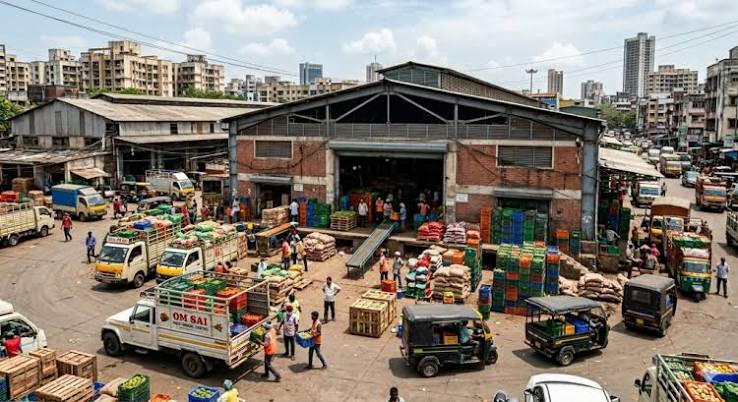
India’s agricultural sector has significant potential to expand its presence in global food markets, but weaknesses in export logistics continue to create challenges for farmers, exporters and agri-businesses. A new report has called for the development of a single-window agricultural export logistics system that connects the entire supply chain, from farm-gate collection to international transportation.
Such an integrated system could help reduce delays, improve coordination and lower post-harvest losses while making Indian agricultural products more competitive in overseas markets.
Connecting the Agricultural Supply Chain
Agricultural exports involve multiple stages, including harvesting, aggregation, grading, packaging, storage, transportation, customs procedures and shipment. When these activities are handled through disconnected systems, exporters can face delays and higher operating costs.
A single-window logistics platform could bring these processes together through a coordinated digital framework. Farmers, aggregators, warehouse operators, cold-chain providers, transport companies, exporters and government agencies could potentially access relevant services through an integrated system.
Better coordination at the farm gate would be particularly important. Efficient collection and aggregation can help move produce quickly from farms to appropriate storage and processing facilities.
Warehousing and Cold Chains Are Critical
Adequate warehousing is essential for maintaining the quality of agricultural commodities after harvest. For products such as fruits, vegetables, dairy products, meat and other perishables, reliable cold-chain infrastructure is even more important.
Breaks in temperature-controlled transportation can reduce product quality and shorten shelf life. Improved cold storage, refrigerated vehicles and strategically located logistics hubs could therefore help Indian exporters meet international quality standards.
Reducing post-harvest losses would also increase the quantity of produce available for domestic consumption and export without necessarily requiring additional farmland.
Transportation Efficiency Can Improve Competitiveness
Transportation is another major component of agricultural export costs. Efficient road, rail, port and shipping connections can help reduce the time required to move agricultural products from production centres to international markets.
A coordinated logistics system could improve route planning, tracking and shipment scheduling. Digital tools could also provide greater visibility across the supply chain, allowing exporters to identify delays and respond more quickly to disruptions.
For time-sensitive products, faster transportation can be especially valuable because quality and market value can decline rapidly.
Benefits for Farmers and Exporters
A more efficient export logistics network could create benefits throughout the agricultural value chain. Farmers could gain access to wider markets, while exporters could potentially reduce handling costs and improve delivery reliability.
Small and medium-sized agricultural producers may particularly benefit if aggregation and logistics services become easier to access. Better infrastructure could also encourage greater investment in food processing, packaging and value-added agricultural products.
Strengthening India’s Global Agri-Market Position
India exports a wide range of agricultural commodities, including rice, spices, marine products, fruits, vegetables, tea, coffee and processed foods. However, competing successfully in international markets requires more than strong production capacity.
Quality consistency, traceability, timely delivery and efficient logistics are increasingly important requirements for global buyers.
A single-window agricultural export logistics system could help address several of these challenges by connecting different parts of the supply chain and reducing fragmentation.
The Road Ahead
Modernizing agricultural export logistics could become an important step in strengthening India’s position in global agriculture. Investment in warehouses, cold chains, digital platforms, transportation infrastructure and integrated logistics services will be essential.
If effectively implemented, a coordinated system could reduce post-harvest losses, improve supply-chain efficiency and help Indian farmers and exporters reach international markets more competitively. The success of India’s agricultural export ambitions will increasingly depend not only on what the country produces, but also on how efficiently that produce moves from the farm to the global consumer.

 By
By