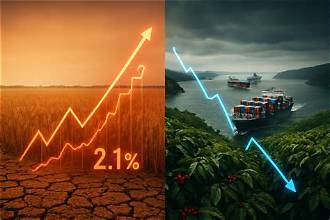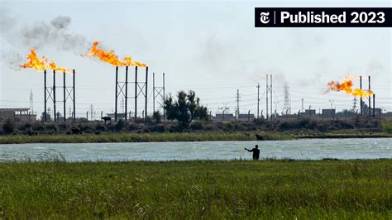

Escalating tensions in the Middle East are creating fresh uncertainty for global agricultural markets, with rising crude oil prices raising concerns about higher costs across the farming and food supply chain. Brent crude is approaching $100 per barrel, increasing the possibility that elevated energy prices could put additional pressure on farmers, food companies and consumers.
Energy plays a critical role in modern agriculture. From manufacturing fertilizers and operating farm machinery to transporting crops and processing food, petroleum and natural gas are closely connected with agricultural production. A sustained increase in energy prices can therefore spread through multiple stages of the food system.
One of the most immediate concerns is fertilizer production. Natural gas is a major feedstock and energy source for manufacturing nitrogen fertilizers such as urea and ammonia. If energy costs rise significantly, fertilizer manufacturers may face higher production expenses. These additional costs can eventually influence fertilizer prices and farm operating costs.
Higher fuel prices can also affect agricultural machinery. Tractors, combines, harvesters and irrigation equipment require fuel or energy to operate. Farmers already dealing with elevated input costs could face additional financial pressure if diesel and other energy-related expenses increase.
Transportation is another important channel through which higher crude prices can affect agriculture. Agricultural commodities frequently travel long distances from farms to storage facilities, processing plants, ports and consumers. Rising fuel costs can increase freight expenses, potentially making food and agricultural products more expensive.
Food processing companies may also face higher operating costs. Energy is required for milling, refrigeration, drying, packaging and other processing activities. If these costs increase, businesses may pass part of the additional expense through the supply chain.
The potential impact is not limited to crude oil. Geopolitical tensions can also disrupt shipping routes, trade flows and access to key agricultural inputs. Any prolonged disruption to major transport corridors could increase freight rates and delivery times, adding another layer of uncertainty to international agricultural markets.
For farmers, the situation presents a complicated outlook. Higher energy and fertilizer costs can reduce profit margins, particularly for producers who are unable to immediately pass increased costs on to buyers. Crop selection, input management and purchasing decisions could become more important as farmers attempt to control expenses.
Higher agricultural costs may eventually affect consumers as well. If transportation, fertilizer, processing and production expenses remain elevated, food companies could face higher costs throughout their operations. The final impact on retail food prices will depend on the duration and intensity of the energy-price increase, as well as global crop supplies and consumer demand.
Governments and agricultural organizations are likely to monitor the situation closely. Maintaining adequate fertilizer availability, supporting efficient energy use and strengthening domestic supply chains could help reduce vulnerability to international shocks.
The current rise in oil prices highlights how closely agriculture is connected to developments outside the farming sector. Geopolitical instability can quickly influence energy markets, while changes in energy costs can subsequently affect fertilizer, machinery, transportation and food production.
If Brent crude remains near or above the $100-per-barrel level for an extended period, agricultural markets could face another round of input-cost pressure. For farmers and food businesses, managing energy exposure and maintaining efficient supply chains will become increasingly important as global geopolitical risks continue to evolve.


 By
By