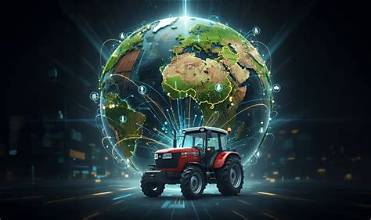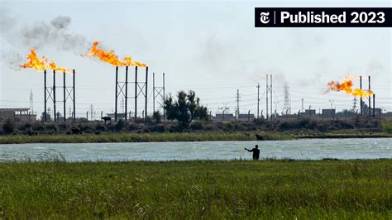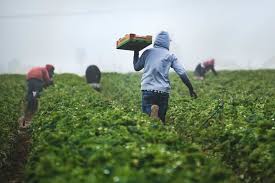
Climate change is placing growing pressure on the world’s food, water and agricultural land resources, creating new challenges for farmers, governments and global supply chains. Rising temperatures, changing rainfall patterns and more frequent extreme weather events are increasing competition for essential resources and could make food production more difficult in vulnerable regions.
Agriculture is particularly exposed to climate risks because farming depends heavily on reliable water supplies, suitable temperatures and productive soil. As environmental conditions change, producers may face greater uncertainty over crop yields, irrigation requirements and the availability of cultivable land.
Growing Competition for Water
Water is becoming one of the most important constraints for agricultural production in many parts of the world. Agriculture already accounts for a significant share of global freshwater use, while cities, industries and ecosystems also require increasingly limited supplies.
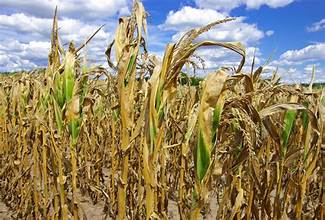
Higher temperatures can increase evaporation and crop water requirements. At the same time, prolonged droughts can reduce the availability of surface water and groundwater.
Farmers may therefore face difficult decisions over how to allocate water between different crops and production systems. Improving irrigation efficiency, expanding water harvesting and adopting drought-tolerant crops will become increasingly important.
Pressure on Agricultural Land
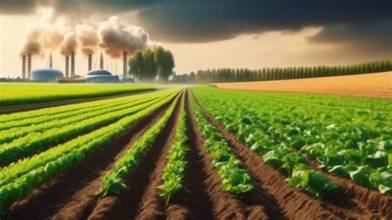
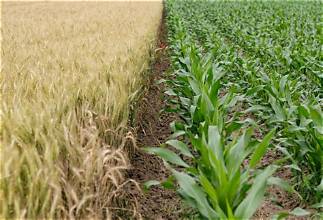
Climate change is also affecting the availability and productivity of farmland. Rising temperatures, changing rainfall and extreme weather can contribute to soil degradation, erosion, salinity and declining agricultural productivity.
Some regions may become less suitable for particular crops, while other areas could experience changing growing seasons. However, expanding agricultural production into new areas can create additional environmental pressures, including deforestation and biodiversity loss.
Protecting existing productive farmland while improving soil health will therefore be critical for future food production.
Food Production Faces Multiple Risks
The combined pressure on food, water and land creates a complex challenge for global agriculture. A drought, flood or heatwave can reduce crop production in one region while simultaneously increasing demand for food imports from other regions.
Such disruptions can affect international commodity markets, transportation networks and food-processing industries. Countries that depend heavily on imported food or agricultural inputs may be particularly vulnerable to supply-chain disruptions.
Climate-related production losses could also contribute to greater price volatility, affecting both farmers and consumers.
Technology and Sustainable Agriculture
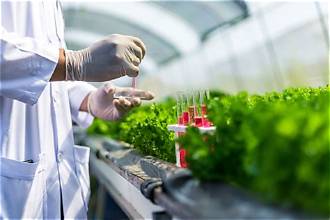
Addressing these challenges will require greater investment in climate-smart agriculture and resource-efficient technologies. Precision irrigation, soil monitoring, improved crop genetics, protected cultivation and digital weather forecasting can help farmers use resources more efficiently.
Regenerative farming practices, including improved soil management, crop diversification and greater use of organic matter, can also contribute to long-term soil health and water retention.
Developing crop varieties that tolerate heat, drought, salinity and other stresses will be another important part of adapting agricultural systems to changing conditions.
Global Cooperation Is Essential
Climate change does not affect agricultural systems in isolation. Food and agricultural supply chains connect producers and consumers across borders, meaning a climate shock in one major producing region can have international consequences.
Governments, researchers, farmers and private-sector companies will need to work together to improve resource management, strengthen infrastructure and develop resilient food systems.
Outlook
The growing competition for food, water and agricultural land highlights the importance of preparing agriculture for a changing climate. Simply increasing production may not be enough if water resources decline and farmland becomes increasingly vulnerable.
A combination of sustainable resource management, climate-resilient crops, efficient irrigation, technological innovation and stronger supply chains will be essential. Building resilient agricultural systems today can help reduce future risks and support global food security for a growing population.

 By
By