

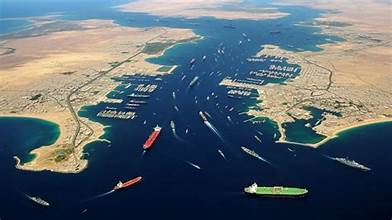
The Food and Agriculture Organization (FAO) has raised concerns that any major disruption in the Strait of Hormuz could significantly affect global fertilizer supplies and agricultural input markets, potentially increasing production costs for farmers worldwide.
The warning comes amid growing geopolitical tensions in the region, which handles a substantial share of global energy and commodity trade. The Strait of Hormuz is one of the world’s most important maritime chokepoints, serving as a critical route for the transportation of oil, natural gas, fertilizers, and other essential agricultural inputs.
According to FAO, disruptions to shipping through the strait could delay supplies of fertilizers and fertilizer raw materials, particularly for countries heavily dependent on imports. Such interruptions may lead to higher transportation costs, supply shortages, and increased prices for key nutrients used in crop production.
Fertilizers play a vital role in maintaining agricultural productivity and global food security. Any significant increase in fertilizer prices can raise production costs for farmers, potentially affecting planting decisions, crop yields, and food prices. Developing countries and import-dependent agricultural economies are considered especially vulnerable to supply disruptions.
The organization noted that fertilizer markets have already experienced volatility in recent years due to geopolitical conflicts, energy price fluctuations, and supply chain bottlenecks. A prolonged disruption in the Strait of Hormuz could add further uncertainty to global agricultural markets at a time when many countries are already facing climate-related production risks.
FAO has urged governments to keep agricultural trade channels open and avoid restrictive measures that could worsen market instability. Maintaining the smooth flow of fertilizers, seeds, crop protection products, and food commodities is considered essential for protecting global food production and preventing unnecessary price spikes.
The agency also emphasized the importance of improving fertilizer-use efficiency. By adopting precision agriculture techniques, balanced nutrient management practices, and soil health improvement measures, farmers can maximize crop productivity while reducing dependence on excessive fertilizer applications.
Agricultural experts suggest that countries should diversify supply sources, strengthen strategic reserves of critical inputs, and invest in domestic fertilizer production where feasible. Such measures can help reduce vulnerability to external shocks and improve long-term agricultural resilience.
Industry analysts are closely monitoring developments in the Gulf region, as any disruption to shipping routes could have ripple effects across global agricultural supply chains. Rising fertilizer costs could eventually influence the prices of major crops such as wheat, rice, corn, and oilseeds, affecting both producers and consumers.
While global fertilizer supplies remain adequate for now, FAO cautions that proactive action is needed to minimize risks. Ensuring uninterrupted trade, enhancing supply chain resilience, and promoting efficient fertilizer use will be critical to safeguarding agricultural production and food security in the months ahead.


 By
By











