

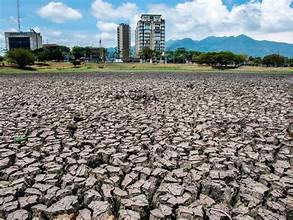
A developing Super El Niño is expected to pose significant challenges to global agriculture during the 2026–27 crop season, raising concerns about weather-related disruptions across major food-producing regions. However, experts believe that abundant global grain reserves could help prevent a major food crisis despite the looming climate threat.
Meteorologists and agricultural analysts have warned that the strengthening El Niño phenomenon is likely to bring extreme weather conditions to several parts of the world. Countries across Asia and Australia may experience severe droughts, while some regions in North and South America could face excessive rainfall, floods, and unpredictable weather patterns. These conditions have the potential to affect crop yields, livestock production, and overall food supply chains.
El Niño is a natural climate cycle characterized by warmer-than-normal sea surface temperatures in the central and eastern Pacific Ocean. A particularly intense event, often referred to as a “Super El Niño,” can significantly alter global weather systems, impacting agriculture, water resources, and rural livelihoods.
Agricultural experts are closely monitoring the situation, especially in major producing nations of rice, wheat, corn, and soybeans. Reduced rainfall in key growing regions could affect planting and crop development, while excessive precipitation in other areas may damage standing crops and delay harvesting operations.
Despite these concerns, global food markets are entering the season with a strong buffer. According to industry estimates, world stocks of major staple crops—including wheat, rice, corn, and soybeans—remain near record highs following several years of favorable harvests and improved production technologies. These reserves are expected to help stabilize food supplies and limit sharp increases in global food prices.
Market analysts note that ample inventories provide governments and traders with greater flexibility in managing potential supply disruptions. While localized shortages may occur in some regions, the overall availability of staple grains is expected to remain sufficient to meet global demand.
International organizations and policy experts are urging governments to avoid imposing export bans or restrictive trade measures if weather-related production losses occur. Past experiences have shown that export restrictions can worsen market uncertainty, drive up prices, and create panic buying among importing countries.
Instead, experts recommend maintaining open and transparent agricultural trade to ensure food moves efficiently from surplus regions to deficit areas. Strong international cooperation, timely market information, and strategic use of food reserves will be crucial in mitigating the impact of any production shocks.
Farmers are also being encouraged to adopt climate-resilient agricultural practices, including drought-tolerant crop varieties, efficient irrigation systems, and improved soil management techniques. These measures can help reduce vulnerability to extreme weather events associated with El Niño.
While the prospect of a Super El Niño presents a serious challenge for global agriculture, the combination of robust grain stocks, improved forecasting systems, and coordinated trade policies offers hope that the world can avoid a repeat of past food crises. Nevertheless, experts caution that continued vigilance and proactive planning will be essential as weather patterns evolve over the coming months.
As the 2026–27 agricultural season unfolds, governments, farmers, and international agencies will be watching closely to assess the full impact of one of the most powerful climate events in recent years.


 By
By











