

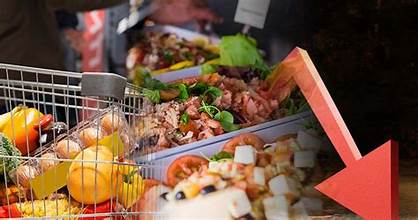
Global food prices continue to remain near their highest levels in more than three years, reflecting ongoing pressures in international agricultural markets. According to recent data from the Food and Agriculture Organization (FAO), prices of key commodities such as cereals, sugar, and vegetable oils are still elevated, although the overall food price index recorded a modest decline in May.
The slight easing in prices has provided some relief to importing countries and consumers, but market analysts caution that food costs remain significantly higher than historical averages. Weather uncertainties, supply chain challenges, geopolitical developments, and strong global demand continue to influence agricultural commodity markets.
Among the major contributors to elevated food prices are cereals, which include wheat, rice, corn, and other staple grains. Production concerns in several key exporting regions, coupled with growing demand from food-importing nations, have supported prices throughout the year. Any disruption caused by adverse weather conditions, including the emerging El Niño phenomenon, could further tighten supplies and increase market volatility.
Sugar prices have also remained relatively strong due to concerns over production in major growing regions. Unfavorable weather conditions in some countries and continued demand from food and beverage industries have contributed to maintaining prices at elevated levels. Analysts note that sugar markets remain particularly sensitive to climatic changes affecting crop yields.
Vegetable oil prices, including palm oil, soybean oil, sunflower oil, and rapeseed oil, continue to play a significant role in shaping the global food price outlook. Demand from both food processing industries and biofuel sectors has supported prices, while production fluctuations in major exporting countries have added uncertainty to global supplies.
Despite the recent moderation, food inflation remains a challenge for many developing economies, where households spend a large share of their income on food. Higher commodity prices often translate into increased retail food costs, affecting purchasing power and food security, particularly among low-income populations.
Economists point out that global grain inventories remain relatively comfortable, which has helped prevent a sharper rise in prices. Strong stock levels of wheat, rice, and corn in several major producing countries are providing an important buffer against potential supply shocks and helping stabilize international markets.
However, market participants are closely monitoring weather developments in major agricultural regions. The possibility of droughts, floods, and heatwaves linked to El Niño could affect crop production during the 2026–27 season, potentially placing additional pressure on food prices.
International organizations continue to emphasize the importance of maintaining open agricultural trade and avoiding export restrictions that could exacerbate market uncertainty. Transparent trade policies and efficient supply chains are considered essential for ensuring food reaches deficit regions and for preventing unnecessary price spikes.
Looking ahead, analysts expect food prices to remain sensitive to weather patterns, production forecasts, and global economic conditions. While the modest decline recorded in May is a positive sign, the overall market outlook suggests that food prices are likely to stay elevated in the near term, requiring continued vigilance from governments, traders, and consumers worldwide.


 By
By











