

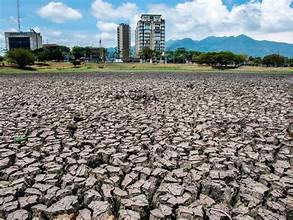
The United Nations Food and Agriculture Organization (FAO) and the World Food Programme (WFP) have jointly launched an emergency appeal seeking $202 million to help vulnerable communities prepare for the growing threat of El Niño-related weather extremes. The initiative aims to support approximately 8.8 million people across 22 countries that are at high risk of droughts, floods, crop losses, and food insecurity.
According to the two UN agencies, the funding will be used to implement early action measures that can help farmers, herders, and rural communities reduce the impact of anticipated climate shocks before they develop into full-scale humanitarian crises. Experts warn that the current El Niño event could bring severe disruptions to agricultural production and livelihoods in many parts of the world over the coming months.
The appeal focuses on countries that are already facing multiple challenges, including poverty, conflict, economic instability, and climate-related stress. In these regions, even a single season of poor rainfall or extreme weather can significantly reduce food production, increase hunger, and weaken local economies.
FAO and WFP emphasized that investing in preventive measures is far more cost-effective than responding after disasters strike. The requested funds will support activities such as distributing drought-resistant seeds, protecting livestock, improving water management systems, strengthening early warning networks, and providing cash assistance to vulnerable households.
Agriculture remains the primary source of income for millions of people in the targeted countries. However, changing weather patterns linked to El Niño threaten crop yields, pasture conditions, and water availability. Droughts can destroy harvests and reduce livestock productivity, while floods can wash away crops, damage infrastructure, and disrupt food supply chains.
The UN agencies warned that without timely intervention, millions of people could face worsening food insecurity, increased malnutrition, and loss of livelihoods. Rural communities are particularly vulnerable because they often lack access to financial resources and social protection systems needed to recover from climate-related disasters.
The appeal reflects a growing international focus on anticipatory action—providing support before crises occur rather than after losses have already been suffered. Previous studies by humanitarian organizations have shown that every dollar invested in early preparedness can save multiple dollars in emergency response and recovery costs.
FAO and WFP are calling on governments, international donors, development partners, and financial institutions to contribute to the funding effort. They stress that rapid action in the coming weeks will be critical to helping at-risk communities withstand the expected impacts of El Niño and maintain food production.
As climate variability continues to intensify globally, the appeal highlights the urgent need to strengthen resilience in agricultural systems and protect vulnerable populations from increasingly frequent weather-related shocks. The success of this initiative could play a crucial role in safeguarding food security and livelihoods for millions of people during the upcoming agricultural season.


 By
By











