

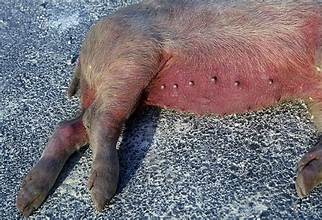
African Swine Fever (ASF) continues to pose a significant threat to livestock production across several countries in Asia and the Pacific, putting pressure on pig farming industries, meat supplies, and rural livelihoods. Animal health authorities are intensifying surveillance, biosecurity, and containment measures in an effort to prevent further spread of the disease and protect national swine populations.
African Swine Fever is a highly contagious viral disease that affects domestic and wild pigs. While the disease does not infect humans and poses no food safety risk, it can cause severe economic losses due to high mortality rates among infected animals and the need for large-scale culling to contain outbreaks.
Over the past several years, ASF has emerged as one of the most serious animal health challenges facing the global pork industry. Countries across Asia and the Pacific continue to monitor outbreaks closely, as the disease has the potential to disrupt pig production, reduce pork supplies, and increase meat prices in domestic markets.
Veterinary authorities have strengthened disease surveillance programs to detect outbreaks at an early stage. These efforts include farm inspections, laboratory testing, movement controls, and rapid response measures aimed at limiting transmission between farms and regions. Farmers are also being encouraged to adopt stricter biosecurity practices to reduce the risk of infection.
Experts note that controlling ASF remains particularly challenging because there is currently no widely available commercial cure for infected animals. Prevention therefore remains the most effective strategy. Measures such as restricting the movement of pigs, disinfecting transport vehicles, controlling farm access, and ensuring proper disposal of animal waste are considered essential components of disease management.
The continued presence of ASF has significant implications for food security and agricultural economies. Pork is one of the most widely consumed animal proteins in many Asian countries, and any decline in pig production can affect meat availability and consumer prices. Smaller pig farmers are often the most vulnerable, as outbreaks can lead to substantial financial losses and disruptions to household income.
Governments and international animal health organizations are working together to strengthen regional cooperation in disease monitoring and response. Information sharing, coordinated surveillance, and capacity-building programs are helping countries improve preparedness and reduce the risk of cross-border transmission.
Researchers are also continuing efforts to develop more effective vaccines and disease-control technologies. Advances in diagnostics, genetic research, and vaccine development offer hope for improved ASF management in the future, although widespread solutions are still under development.
Industry analysts believe that maintaining strong biosecurity standards and rapid detection systems will be critical to protecting pig populations and ensuring stable meat supplies. Continued vigilance is particularly important as expanding trade, animal movements, and changing production systems create new pathways for disease spread.
As African Swine Fever remains active in parts of the Asia-Pacific region, authorities stress that sustained surveillance, farmer awareness, and coordinated control measures will be essential to safeguarding livestock production and supporting the long-term resilience of the pork sector.


 By
By











