

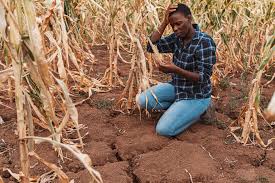
Extreme heat is emerging as one of the most significant threats to global food production, with leading international organizations warning that rising temperatures are increasingly affecting crops, livestock, fisheries, and agricultural labor worldwide. According to recent assessments by the Food and Agriculture Organization (FAO) and the World Meteorological Organization (WMO), heat-related impacts on agriculture are becoming more frequent, widespread, and severe as climate change accelerates.
Experts caution that many of the world’s most important food crops, including wheat, rice, maize, and soybeans, have critical temperature thresholds beyond which yields begin to decline significantly. As heat waves become more intense and prolonged, farmers are facing growing challenges in maintaining productivity and ensuring stable food supplies.
Research indicates that extreme temperatures can disrupt plant growth, reduce pollination, accelerate crop maturation, and increase water stress. While warmer conditions may initially boost growth in some regions, prolonged exposure to excessive heat often leads to lower yields and poorer crop quality. The consequences are particularly severe when high temperatures coincide with critical stages such as flowering and grain filling.
Livestock production is also under increasing pressure. Heat stress affects animal health, feed intake, fertility, and overall productivity. Dairy cattle, poultry, and other livestock species are especially vulnerable during prolonged periods of extreme heat, leading to reduced milk production, slower growth rates, and increased mortality risks.
The fisheries and aquaculture sectors are similarly feeling the effects of rising temperatures. Warmer waters can alter aquatic ecosystems, affect fish migration patterns, increase disease outbreaks, and reduce the availability of oxygen in water bodies. These changes threaten both wild fisheries and fish farming operations that support millions of livelihoods around the world.
Beyond production impacts, extreme heat is creating significant challenges for agricultural workers. Farm laborers often perform physically demanding tasks outdoors, making them highly vulnerable to heat-related illnesses and productivity losses. In many regions, workers are being forced to reduce working hours or shift activities to cooler periods of the day, potentially affecting harvesting schedules and farm operations.
The FAO and WMO emphasize that the threat extends across both developed and developing nations. Regions already experiencing high temperatures are particularly at risk, but even traditionally temperate agricultural areas are witnessing more frequent heat extremes that challenge existing farming systems.
Agricultural economists warn that declining yields and production disruptions could contribute to food price volatility, increase food insecurity, and place additional pressure on vulnerable populations. Countries heavily dependent on agriculture for employment and economic growth may face heightened risks if adaptation measures are not implemented quickly.
To address these challenges, experts are calling for greater investment in climate-resilient agriculture. Recommended strategies include developing heat-tolerant crop varieties, improving water management systems, expanding climate forecasting services, adopting precision agriculture technologies, and strengthening social protections for agricultural workers.
As global temperatures continue to rise, international organizations stress that adaptation and resilience-building efforts must become central components of agricultural policy. The growing impact of extreme heat on food systems serves as a stark reminder that climate change is not only an environmental issue but also a major challenge to global food security, economic stability, and sustainable development.


 By
By











