

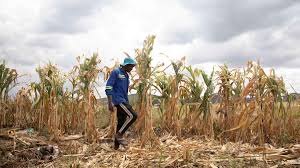
Meteorologists and climate scientists are raising concerns about the possible development of a powerful “Super El Niño” event that could significantly disrupt weather patterns around the world during the 2026–27 growing season. Experts warn that the phenomenon may bring severe droughts, destructive floods, and widespread agricultural challenges, threatening food production and food security across multiple continents.
El Niño is a natural climate pattern that occurs when sea surface temperatures in the central and eastern Pacific Ocean become warmer than average. While El Niño events happen periodically, a particularly strong or “Super” El Niño can have far-reaching consequences, influencing rainfall, temperatures, and storm activity across the globe.
According to climate monitoring agencies, current oceanic and atmospheric conditions indicate the possibility of an unusually intense El Niño developing over the coming months. If forecasts prove accurate, many regions could experience extreme weather conditions that would place significant pressure on agricultural systems already struggling with climate-related challenges.
In Asia, agricultural experts are concerned that reduced rainfall and prolonged heat waves could affect major crop-producing areas. Countries that depend heavily on seasonal monsoon rains may face water shortages, impacting the cultivation of rice, wheat, and other staple crops. Lower agricultural output could lead to increased food prices and place additional strain on rural communities.
Meanwhile, parts of Australia are expected to face heightened risks of drought and bushfires. Dry conditions could reduce crop yields and limit water availability for livestock, creating challenges for farmers and agricultural businesses. Authorities are encouraging producers to prepare contingency plans and adopt water-conservation measures to minimize potential losses.
In contrast, some regions of North and South America may experience excessive rainfall and flooding. Heavy precipitation can damage crops, erode soil, and delay planting and harvesting activities. Floodwaters can also destroy infrastructure, including roads and irrigation systems, making it difficult for farmers to transport products to markets.
Africa could also face significant impacts. In some areas, drought conditions may intensify, reducing agricultural productivity and increasing the risk of food insecurity. Other regions may experience unusually heavy rains, which can trigger flooding, crop damage, and outbreaks of plant diseases. Humanitarian organizations are closely monitoring the situation, emphasizing the need for early preparation and support for vulnerable communities.
Global commodity markets are already paying close attention to weather forecasts. Agricultural commodities such as corn, soybeans, wheat, rice, and coffee are particularly sensitive to climate disruptions. Analysts warn that reduced harvests in key producing regions could tighten global supplies and contribute to higher food prices worldwide.
Scientists emphasize that while El Niño is a naturally occurring phenomenon, its effects can be amplified by long-term climate change. Rising global temperatures may increase the likelihood of more intense heat waves, extreme rainfall events, and prolonged droughts, making agricultural systems more vulnerable to weather-related shocks.
Governments, farmers, and international organizations are being urged to strengthen preparedness measures. Recommended actions include improving water management, expanding climate-monitoring systems, investing in drought-resistant crop varieties, and enhancing emergency response plans. Early action, experts say, can help reduce economic losses and protect food supplies.
Although the exact strength and duration of the anticipated El Niño remain uncertain, meteorologists agree that close monitoring will be essential in the months ahead. As the world faces growing climate challenges, the potential arrival of a Super El Niño serves as a reminder of the critical connection between weather patterns, agriculture, and global food security.
With millions of people dependent on stable crop production for their livelihoods and nutrition, the coming growing season could become a crucial test of resilience for agricultural systems around the world.


 By
By











