

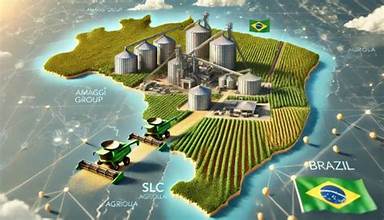
Brazil continues to strengthen its position as the world’s leading soybean producer, supported by strong harvests, expanding cultivation areas, and robust international demand. Recent agricultural outlooks indicate that the country is expected to remain the dominant player in the global soybean market, supplying a significant share of world exports.
Favorable growing conditions in key agricultural regions, combined with continued investments in farming technology and infrastructure, have helped Brazilian farmers achieve record or near-record production levels in recent seasons. The country’s large-scale farming operations and increasing productivity have further enhanced its competitiveness in global markets.
Strong demand from major importing nations, particularly in Asia, continues to drive Brazilian soybean exports. Soybeans remain a critical commodity for the production of animal feed, vegetable oil, and various food products, making them one of the most important crops in international agricultural trade.
Industry analysts note that Brazil’s growing export capacity has allowed the country to capture a larger share of global markets. Improvements in transportation networks, port facilities, and logistics systems have contributed to more efficient movement of soybeans from farms to international buyers.
The country’s leadership in soybean production comes at a time when global demand for protein-rich feed ingredients continues to rise. As livestock and poultry industries expand in many parts of the world, the need for soybean meal remains strong, supporting long-term demand for Brazilian exports.
Agricultural experts believe Brazil is well-positioned to maintain its dominance in the soybean sector due to its vast agricultural resources, technological advancements, and ability to increase production when market conditions are favorable. However, challenges such as climate variability, environmental concerns, and fluctuating global commodity prices will continue to influence future growth.
With another strong production season anticipated, Brazil is expected to remain a key contributor to global food and feed supply chains, reinforcing its role as one of the most influential agricultural exporters in the world.


 By
By











