

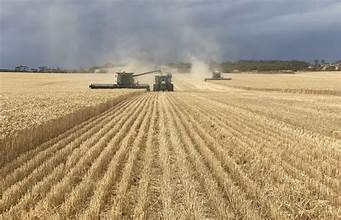
Australia is expected to produce a smaller wheat crop in the 2026/27 season, with industry forecasts indicating the country’s lowest harvest in three years. Prolonged dry weather across several key farming regions, combined with rising production costs, has created significant challenges for wheat growers and raised concerns about global grain supplies.
Agricultural experts report that below-average rainfall in major wheat-producing areas has reduced soil moisture levels and limited crop development. The unfavorable weather conditions are expected to impact yields, resulting in lower overall production compared to recent seasons when Australia benefited from more favorable growing conditions.
In addition to weather-related challenges, farmers are facing higher input costs, particularly for fertilizers. Global geopolitical tensions have disrupted supply chains and increased the cost of agricultural inputs, making crop production more expensive. Many growers have had to carefully manage fertilizer applications and production expenses as profit margins come under pressure.
Australia is one of the world’s leading wheat exporters, and any significant decline in its harvest can influence international grain markets. Lower export availability from the country could contribute to tighter global wheat supplies at a time when several other major producing regions are also facing production uncertainties.
Market analysts believe the reduced harvest outlook may help support international wheat prices during the coming marketing year. Import-dependent countries are likely to monitor Australian production closely as they plan grain purchases and food security strategies.
Despite the challenging outlook, agricultural authorities note that final production figures will depend on weather conditions during the remainder of the growing season. Improved rainfall in coming months could help stabilize crop prospects, while continued dry conditions may further reduce yield potential.
As global demand for wheat remains strong, Australia’s smaller harvest is expected to be an important factor shaping international grain trade and price trends throughout the year.


 By
By











