

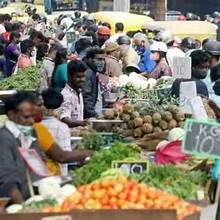
Global food prices remained at relatively high levels in May 2026, even as international markets recorded a modest decline compared to previous months. According to the latest assessments from international food agencies, prices of key agricultural commodities such as wheat, maize, and sugar continue to support overall food costs, raising concerns about inflation and affordability in many countries.
Market analysts note that weather-related production risks, supply chain challenges, and strong global demand have contributed to sustained pressure on agricultural commodity prices. Wheat markets, in particular, have been influenced by uncertainties surrounding crop conditions in several major producing regions, while maize prices have remained firm due to steady demand from both food and feed sectors.
Sugar prices have also stayed elevated amid concerns over production levels in important exporting countries. Industry experts suggest that fluctuations in climate conditions and changing export availability could continue to affect global sugar markets in the coming months.
Although the slight easing in overall food prices offers some relief, economists warn that food inflation remains a significant challenge for many developing and import-dependent nations. Higher food costs can place additional pressure on household budgets, particularly for low-income families that spend a large portion of their income on essential food items.
Agricultural economists believe that future price movements will largely depend on global harvest outcomes, weather developments, and trade flows during the second half of the year. Favorable growing conditions in major crop-producing regions could help stabilize markets, while adverse weather events may trigger renewed price volatility.
As governments and international organizations continue to monitor food markets closely, ensuring stable food supplies and improving agricultural productivity remain key priorities for strengthening global food security and protecting consumers from sharp price increases.


 By
By











