

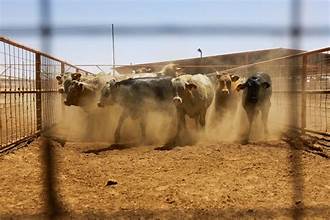
Livestock authorities in North America are strengthening surveillance and control measures following concerns over the spread of the New World screwworm, a highly destructive parasite that poses a serious risk to cattle and other livestock. Recent detections in Texas have prompted a rapid response from animal health agencies as they work to prevent the pest from becoming established and threatening agricultural production.
The New World screwworm is a parasitic fly whose larvae feed on the living tissue of warm-blooded animals. Infested animals can suffer severe wounds, infections, weight loss, reduced productivity, and, in severe cases, death if treatment is delayed. The parasite is considered one of the most economically damaging livestock pests due to its ability to spread quickly and affect large numbers of animals.
Federal and state authorities have increased monitoring efforts, including livestock inspections, movement controls, and public awareness campaigns aimed at ranchers and veterinarians. Early detection is viewed as critical to preventing wider outbreaks and minimizing economic losses to the livestock sector.
The cattle industry is particularly vulnerable because infestations can reduce animal health, lower production efficiency, and increase veterinary and management costs. Experts warn that any significant spread of the parasite could disrupt beef production and create challenges for livestock producers across affected regions.
Animal health specialists are encouraging farmers and ranchers to regularly inspect animals for unusual wounds or signs of infestation and to report suspected cases immediately. Rapid treatment and containment measures are essential for limiting the impact of the pest.
The renewed focus on screwworm prevention highlights the importance of strong biosecurity systems and coordinated pest management strategies. Governments, livestock organizations, and veterinary services are working together to protect animal health and maintain the stability of the livestock industry.
As monitoring efforts continue, authorities remain confident that early intervention and established control programs can help prevent the parasite from causing widespread damage to North America’s cattle sector and broader agricultural economy.


 By
By











