

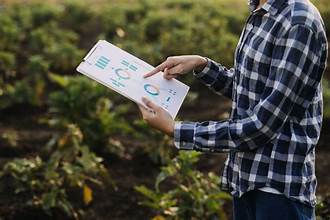
The global agriculture sector is witnessing a steady rise in investment in advanced technologies as farmers, agribusinesses, and governments increasingly adopt innovative solutions to improve productivity, efficiency, and sustainability. Recent agriculture technology conferences and industry initiatives have highlighted strong momentum in areas such as precision agriculture, agri-biotechnology, artificial intelligence, and digital farming.
Industry experts believe that technological innovation is becoming essential for meeting the growing global demand for food while addressing challenges related to climate change, resource constraints, and labor shortages. As a result, investors and agricultural companies are directing significant resources toward the development and deployment of smart farming technologies.
Precision agriculture remains one of the fastest-growing segments within the agritech sector. Technologies such as GPS-guided machinery, remote sensing, drones, satellite imagery, and sensor-based monitoring systems are helping farmers make more informed decisions about irrigation, fertilizer application, pest management, and crop health. These tools enable producers to optimize resource use while reducing production costs and environmental impacts.
Digital farming platforms are also gaining popularity by providing real-time data and analytics that support farm management decisions. Farmers can now access weather forecasts, market information, crop monitoring tools, and advisory services through mobile applications and cloud-based systems, improving operational efficiency and productivity.
Meanwhile, advancements in agricultural biotechnology are contributing to the development of crop varieties with improved resistance to drought, diseases, and pests. Researchers and technology companies are working to create innovative solutions that can help farmers adapt to changing climate conditions while maintaining stable yields.
Sustainability remains a major driver behind agritech investments. Industry leaders emphasize that technology can play a critical role in reducing water consumption, improving soil health, lowering greenhouse gas emissions, and promoting more efficient use of agricultural inputs.
Analysts expect global investment in agricultural technology to continue expanding as governments and private-sector stakeholders prioritize innovation-driven growth. Increased collaboration between technology companies, research institutions, and farming communities is expected to accelerate the adoption of modern agricultural practices across both developed and developing economies.
As the agriculture sector undergoes digital transformation, precision farming and agritech innovations are increasingly being viewed as key tools for enhancing food security, strengthening farm profitability, and building more sustainable agricultural systems for the future.


 By
By











